Does Berberine Lower Cholesterol? Potential Benefits Explained
 Medically reviewed by our experts
 7 min read
 7 citations

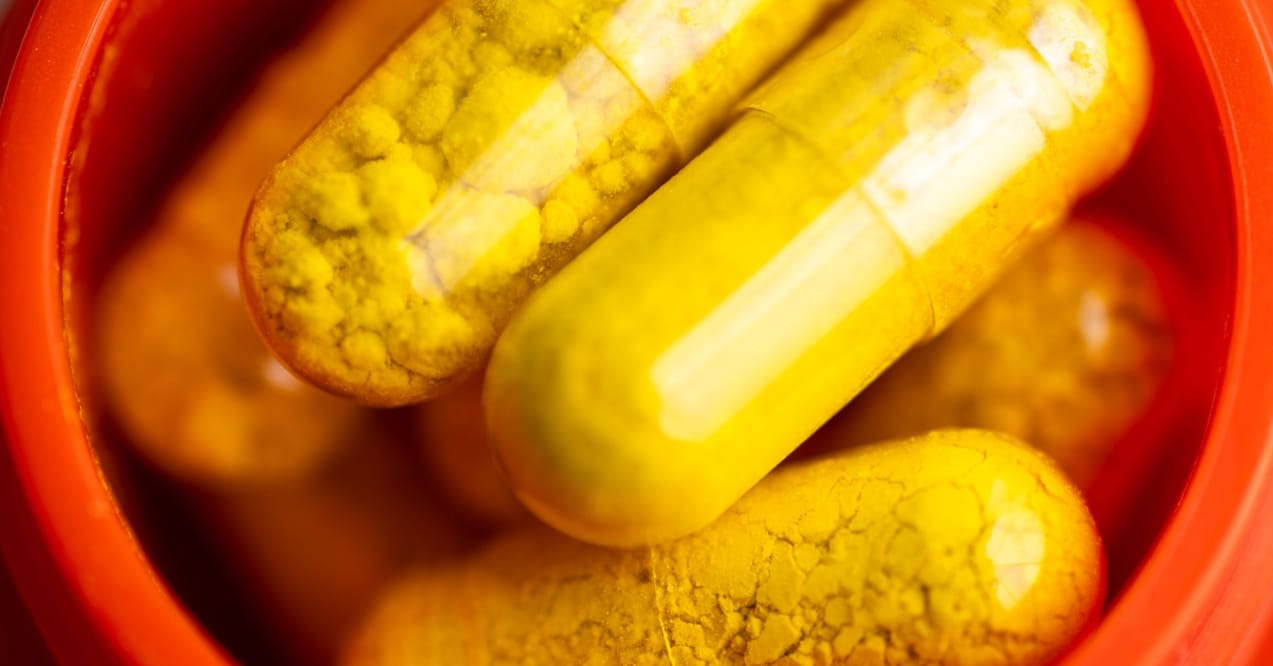
Berberine is a natural compound found in plants like Oregon grape. It has gained attention for its possible heart health benefits. Many people want to know whether it can actually lower cholesterol. Research suggests this plant-based compound may offer several health benefits.
Key Article Findings
- Berberine may help support healthy cholesterol levels based on several studies
- This natural compound works through multiple pathways in the body
- Results vary between individuals and professional guidance is recommended

How Cholesterol Works in the Body
Your body makes cholesterol for essential jobs, like building cells and making hormones. There are two main types: LDL (low-density lipoprotein) and HDL (high-density lipoprotein).
High cholesterol is a common concern for millions of adults. Many people look for natural ways to support healthy cholesterol and protect their hearts. Berberine is one option worth considering alongside healthy lifestyle choices.
Does Berberine Lower Cholesterol? What Research Suggests
Over the past decade, several studies have looked at berberine’s effects on cholesterol. Combined with a healthy diet and exercise, it may help support healthy cholesterol levels. The evidence also points to wider benefits for lipid metabolism.
Comparison with Other Natural Options
Berberine seems to work differently from other natural options like plant sterols or omega-3 fatty acids. It may affect several parts of lipid metabolism at the same time. Research suggests its effects may be similar to some conventional approaches. Individual results vary a lot.
Scientists continue studying the best doses and treatment length for cholesterol support. Most successful studies used 900-1,500 mg a day, split into two or three servings. Timing around meals also seems to affect how well it works.
How Berberine May Work for Cholesterol Support
Berberine does not lower cholesterol through just one process. It works on several different pathways in the body at once.
Enzyme Regulation
- Activates AMPK, an enzyme that helps the liver produce less cholesterol
- Reduces PCSK9, a protein that normally blocks your cells from clearing out LDL (“bad”) cholesterol — lowering it may help your cells remove more of it
- May affect HMG-CoA reductase — the same enzyme that statin medications target to lower cholesterol production
These enzyme changes work together and may improve cholesterol balance. Each one adds to the overall effect on lipid levels.
Gut Microbiota Effects
The gut microbiome plays a surprising role in how the body handles cholesterol. Berberine may have a positive effect on these helpful bacteria. Changes in gut bacteria could affect how the body absorbs and processes cholesterol from food. Some research suggests berberine helps grow bacteria that break down cholesterol more efficiently.
Berberine may also support healthy blood sugar and reduce insulin resistance. This indirectly benefits lipid balance. When blood sugar control improves, the body often handles fats and cholesterol better. Our Nation Health MD blood sugar control supplements work through related pathways to support overall metabolic health.
Potential Benefits Beyond Cholesterol
Berberine’s potential goes beyond cholesterol management to other parts of health. Research has looked at its effects on many metabolic markers and body systems. These extra benefits may add to overall heart health.
Cardiovascular System Benefits
Berberine may help keep inflammation at healthy levels in the cardiovascular system. Chronic low-grade inflammation often goes along with cholesterol problems. So it makes sense to address both together. Some research suggests berberine may support healthy blood vessel flexibility and function.
Berberine might also have a positive effect on triglyceride levels. High triglycerides often come with cholesterol problems, and berberine appears to address both types of lipids. It may also improve energy production in cells.
Possible Side Effects and Safety Considerations
Berberine is generally well tolerated, but some people get digestive issues at first. Common side effects include mild stomach cramps, diarrhea, and constipation. These often ease after the first few weeks.
Digestive Effects
- Mild stomach cramps or discomfort
- Temporary diarrhea or loose stools
- Constipation in some individuals
- Gas and bloating during first week
- Reduced appetite occasionally
Most side effects clear up within 2-3 weeks. Taking berberine with food greatly reduces them. Starting with a lower dose helps your body adjust slowly.
Medication Interactions
Berberine may interact with some medicines, especially those for blood sugar. It can also affect how your liver processes some drugs. If you take antibiotics, use caution with berberine supplements. Medications requiring caution:
- Blood sugar medications
- Blood thinners
- Blood pressure medications
- Certain antibiotics
- Liver-processed drugs
If you take prescription medicine, it is wise to talk with your healthcare provider about berberine.
Pregnant and nursing women should avoid berberine supplements entirely. Children should not take berberine without medical guidance. People with low blood pressure should use caution.
Quality matters when you choose a berberine supplement. Third-party tested products give better assurance of purity and strength. Reputable brands follow good manufacturing practices and provide certificates of analysis.
How to Choose and Use Berberine Supplements
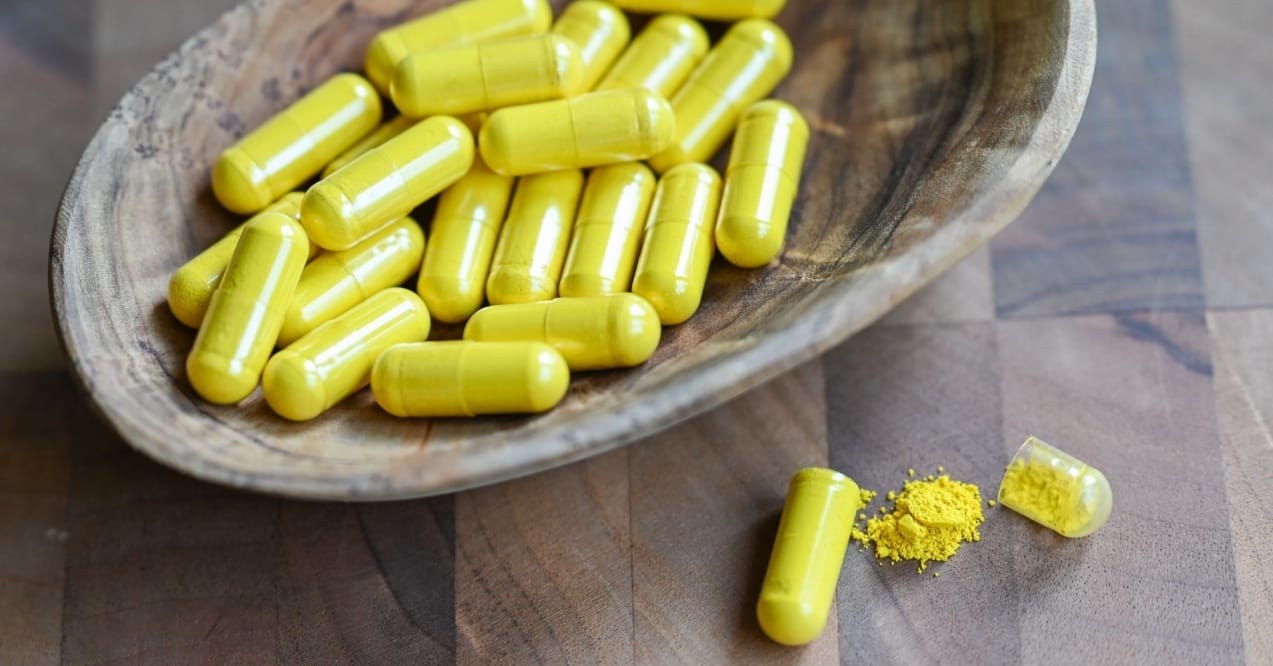
Finding a high-quality berberine product means knowing what to look for on the label. Pure berberine extract without unneeded fillers works best. Many products contain 500 mg per capsule, which makes dosing easy.
Quality Indicators
- Berberine HCl (hydrochloride) on the label
- Clear statement of berberine content per serving
- Third-party testing certification (NSF, USP, or ConsumerLab)
- No artificial colors or unnecessary additives
- Certificate of analysis available
- Good Manufacturing Practice (GMP) certification
These signs help you pick a quality product. Avoid supplements with proprietary blends that do not list the amount of berberine.
Dosing Guidelines
- Week 1 (500 mg twice daily with meals)
- Week 2+ (500 mg three times daily if well-tolerated)
- Maximum (1,500 mg daily divided into 2-3 doses)
- Always take with food
- Allow 8-12 weeks to assess effects
Consistency matters more than exact timing for cholesterol support. Set a regular schedule that fits your daily routine.
Berberine works best with a healthy diet and regular exercise. Focus on whole foods, especially vegetables and lean protein. Regular physical activity may boost berberine’s benefits for cholesterol.
The berberine benefits go beyond cholesterol when you pair it with lifestyle changes. Enough sleep and stress management also support healthy cholesterol levels naturally.
When to Seek Medical Advice
In some situations, you need professional guidance before you start berberine. Anyone with an existing health condition should talk with a healthcare provider first. This includes people with diabetes, liver disease, or heart conditions.
Warning Signs
- Severe digestive issues lasting over two weeks
- Unusual fatigue or persistent dizziness
- Skin reactions or rashes
- Yellow skin or eyes
- Severe stomach pain
- Irregular heartbeat
These symptoms need immediate medical care. Do not assume they are normal reactions to a supplement.
Regular cholesterol checks help you track your progress on berberine. Blood work every three months at first gives useful feedback. Your healthcare provider can adjust advice based on the results.
If you take several medicines, watch closely for interactions. Berberine can change how your body processes some drugs. When you first start, check your blood sugar more often than usual.
Conclusion
Research suggests berberine may help support healthy cholesterol levels naturally. Results vary, and berberine works best with healthy lifestyle habits. Professional guidance helps you decide if berberine suits your situation. Does berberine lower cholesterol for everyone? The answer depends on individual factors and your overall health approach.
Most studies show potential changes after 8-12 weeks of consistent use. Individual responses vary based on diet, exercise, and starting cholesterol levels. Some people notice improvements sooner, while others need more time.
Only take berberine with prescription medications under medical supervision. Berberine may affect how your body processes certain drugs. Your healthcare provider can monitor for interactions and adjust dosages safely.
Some studies suggest berberine may help increase good cholesterol levels. Results vary among individuals, with some showing better improvements than others. More research continues to explore this potential benefit.
Berberine is a natural supplement with a different safety profile than prescriptions. It shouldn’t replace prescribed treatments without medical guidance. Each option has specific benefits and considerations for different people.
Berberine occurs naturally in Oregon grape, barberry, and goldenseal plants. Tree turmeric and Chinese goldthread also contain this compound. These plants aren’t common foods but are used in supplements.
Professional, C. C. M. (2025). What is cholesterol? Cleveland Clinic.
Doggrell, S. A. (2005). Berberine – a novel approach to cholesterol lowering. Expert Opinion on Investigational Drugs, 14(5), 683–685.
Koppen, L. M., Et Al. (2017). Efficacy of berberine alone and in combination for the treatment of hyperlipidemia: a systematic review. Journal of Evidence-Based Complementary & Alternative Medicine, 22(4), 956–968.
Utami, A. R., Et Al. (2023). Berberine and its study as an antidiabetic compound. Biology, 12(7), 973.
Key, A. P. (2024). Berberine: benefits and side effects. WebMD.
Clinic, C. (2025). Berberine for weight loss: Does it work? Cleveland Clinic.
Popular Articles



Advertisement. This site offers health, wellness, fitness and nutritional information and is designed for educational purposes only. You should not rely on this information as a substitute for, nor does it replace, professional medical advice, diagnosis, or treatment. If you have any concerns or questions about your health, you should always consult with a physician or other health-care professional. Do not disregard, avoid or delay obtaining medical or health related advice from your health-care professional because of something you may have read on this site. The use of any information provided on this site is solely at your own risk.
Share: