
Does Berberine Cause Constipation? Learn Today!
 Medically reviewed by our experts
 6 min read
  5 citations
Does berberine cause constipation? Many people ask this when they try berberine for weight loss, blood sugar, or heart health. Berberine offers real health benefits. But some people do get digestive side effects.
Research shows that people respond to berberine in different ways. This article looks at what clinical studies say about berberine and constipation.
Key Article Findings
- Constipation is a possible but uncommon side effect of berberine, typically dose-related
- Individual responses vary depending on gut health, diet, and dosage
- Adjusting dosage and timing may help alleviate gastrointestinal discomfort
- Consult a healthcare provider if symptoms persist or interfere with quality of life
Common Side Effects of Berberine
Berberine can cause digestive side effects when you first start it. Clinical studies show these reactions are uncommon. They usually appear in the first two weeks. The most common are abdominal cramping, bloating, and changes in bowel habits.
These effects often fade as your body adjusts. Most are mild and temporary and go away on their own. How strong they are usually depends on your dose and how sensitive your digestion is.
Does Berberine Cause Constipation Specifically?
Berberine can change your gut bacteria, which may affect how regular you are. Some people notice slower digestion. Others notice the opposite. It varies from person to person.

What Factors May Increase Constipation Risk?
A few things raise your risk of constipation with berberine. Taking more than 1000 mg a day greatly increases the chance of digestive upset. If you already have digestive problems, you are also more likely to notice constipation.
Not drinking enough water and eating too little fiber can make constipation worse. Some supplements or antacids taken at the same time may also disrupt normal bowel function. If you have a metabolic or heart condition, watch your digestion closely.
Take extra care in these situations:
- Sedentary lifestyle patterns
- Previous history of digestive irregularity
- Iron supplementation
- Calcium-based antacid use
- Low vegetable and fruit consumption
How to Manage Constipation While Taking Berberine
There are simple ways to reduce digestive discomfort and still get berberine’s metabolic benefits. Start with 500 mg a day and raise it slowly. This gives your digestion time to adjust. Taking berberine with meals also greatly reduces stomach irritation.
Staying hydrated supports normal bowel function. Aim for 8-10 glasses of water a day to stay regular. Fiber-rich foods like vegetables, fruits, and whole grains also help.
Other ways to manage it include:
- Dividing doses throughout the day
- Adding magnesium supplementation (with professional guidance)
- Incorporating probiotic foods
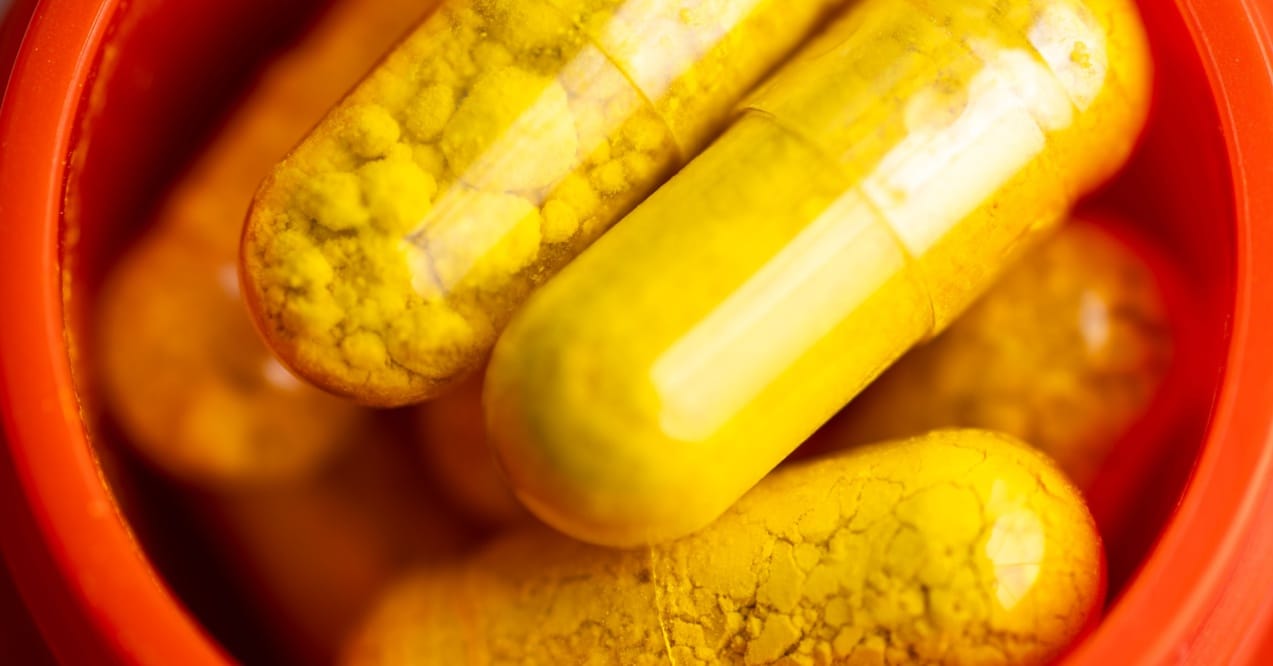
- Switching between capsule and powder forms
- Timing doses with larger meals
Physical activity naturally helps your digestion move. Even a moderate daily walk may improve regularity.
When to Talk to a Healthcare Provider
Some symptoms need a professional check, even though berberine is generally safe. See a provider if severe constipation lasts more than one week. Get advice if abdominal pain, bloating, or nausea gets in the way of daily life.
Blood in your stool or sudden big changes in your bowel habits need immediate attention. A professional can help you take supplements safely and manage any underlying conditions.
Gut Health, Berberine, and Constipation – The Microbiome Connection
Berberine fights certain bacteria in your gut. That shifts your gut’s bacterial balance, which can affect how regular you are. Research shows this shift can start within a few days. It may briefly throw off your digestion before things settle into a new balance.
Studies show berberine may help good bacteria grow and reduce harmful ones. This rebalancing can cause temporary constipation or loose stools. Berberine also affects bile acids. Your body uses them to digest fat, and they can change how firm your stool is.
Over time, the gut changes from berberine benefits may even improve digestive health. Early constipation often clears up as gut bacteria settle. Most users report better digestive comfort after the adjustment period.
Supporting Microbiome Balance During Supplementation
Fermented foods supply good bacteria that help your gut adjust to berberine. Yogurt, kefir, and sauerkraut support a diverse gut flora. These probiotic foods may lower the risk of constipation in the first weeks.
Prebiotic fiber feeds the good bacteria in your gut. It helps keep that bacterial balance steady. Resistant starch from cooked and cooled potatoes can also support bacterial balance.
Optimizing Berberine Absorption and Tolerance
Good timing helps you get the benefits with less digestive trouble. Taking berberine just before or during meals improves absorption and reduces stomach upset. Morning doses with breakfast often cause fewer digestive effects than evening doses.
Our quality blood sugar control supplements combine berberine with other ingredients that may improve tolerance. Some formulas include digestive enzymes or absorption enhancers. These may reduce constipation while still supporting metabolic health.
Cycling berberine gives your digestive system regular rest. Taking breaks every 2-3 months may prevent tolerance from building. This keeps it effective and limits the buildup of digestive effects.
Alternative Dosing Strategies
Splitting your dose across the day often improves tolerance compared with one large dose. Taking 500 mg twice a day usually causes fewer side effects than 1000 mg once. Some people tolerate 300 mg three times a day even better.
Liquid berberine may affect digestion differently than capsules. Liquid forms absorb faster, which may reduce the time berberine spends in the intestines. This may help people who get constipated on standard capsules.
Recognizing Individual Response Patterns
Personal factors play a big role in how berberine affects your digestion, so pay attention to your own response. Age, existing health conditions, and other medicines can all affect your tolerance. Women may respond differently than men because hormones influence digestion.
Your diet has a big impact on constipation risk with berberine. High-protein, low-fiber diets make constipation much more likely. Mediterranean-style eating, with plenty of vegetables, usually supports better tolerance.
Stress and sleep quality also affect how your gut responds to supplements. Poor sleep or high stress may make constipation worse. Improving these habits often helps you tolerate supplements better.
Conclusion
Berberine does cause constipation in some people, but this is relatively uncommon and manageable. The effect depends on your dose, your gut health, and your lifestyle. Most cases clear up with simple changes: adjusting the dose, drinking more water, and improving your diet.
Start with low doses, take with meals, maintain adequate hydration, and consume fiber-rich foods. Gradual dose increases allow digestive adaptation while minimizing constipation risk.
Yes, reducing berberine dosage often alleviates digestive discomfort including constipation. Many users find their optimal dose through gradual adjustment over several weeks.
Berberine significantly modifies intestinal microbiome composition, potentially improving bacterial balance long-term. Initial changes may cause temporary digestive effects before stabilization occurs.
The most frequent side effects include mild diarrhea, stomach cramping, and gas. These typically occur during initial use and decrease as the body adapts.
Zhang, L., Et Al. (2021). Effects of berberine on the gastrointestinal microbiota. Frontiers in Cellular and Infection Microbiology, 10.
BERBERINE: Overview, uses, side effects, precautions, interactions, dosing and reviews. (n.d.).
13 home remedies for constipation. (2024).
Yang, F., Et Al. (2023). Berberine influences multiple diseases by modifying gut microbiota. Frontiers in Nutrition, 10.
Popular Articles




Advertisement. This site offers health, wellness, fitness and nutritional information and is designed for educational purposes only. You should not rely on this information as a substitute for, nor does it replace, professional medical advice, diagnosis, or treatment. If you have any concerns or questions about your health, you should always consult with a physician or other health-care professional. Do not disregard, avoid or delay obtaining medical or health related advice from your health-care professional because of something you may have read on this site. The use of any information provided on this site is solely at your own risk.
Share: