
What Are the Benefits of Berberine and Ceylon Cinnamon?
 Medically reviewed by our experts
 5 min read
  5 citations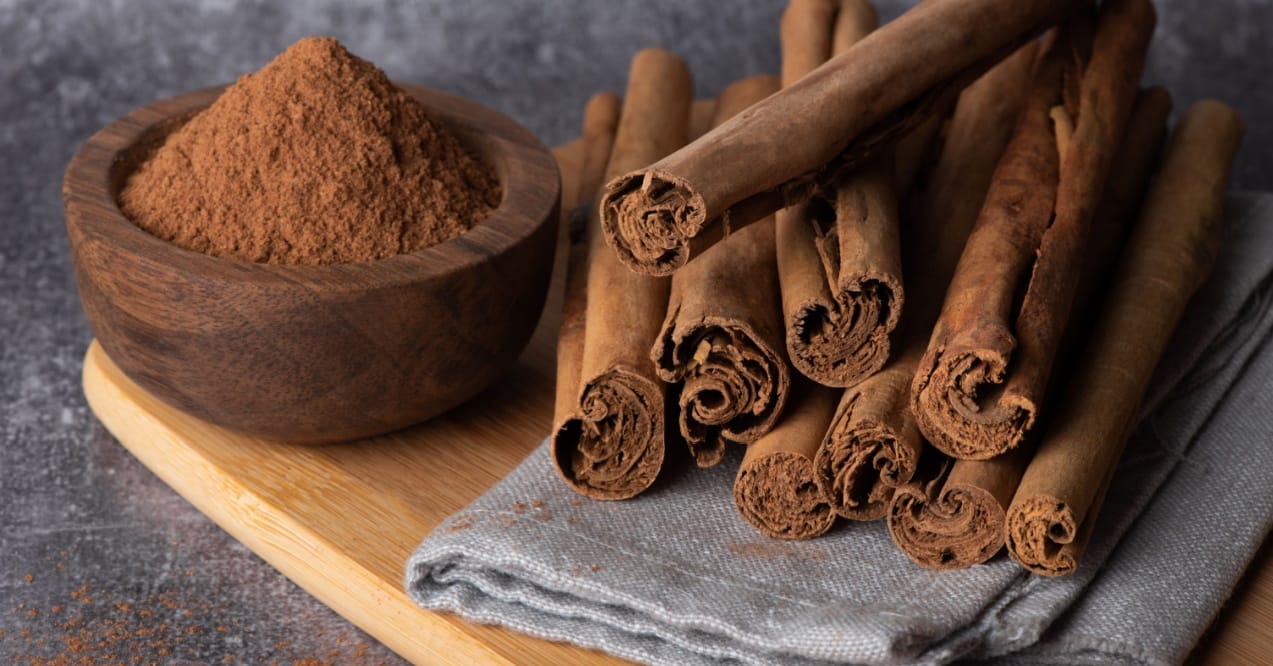
More people are turning to berberine and Ceylon cinnamon together to support healthy metabolism. These two plant-based ingredients may help manage blood sugar, ease inflammation, and support heart health.
Key Article Findings
- Berberine and Ceylon cinnamon may support healthy blood sugar levels and metabolic function
- Both supplements have shown anti-inflammatory and antioxidant properties in clinical trials
- When combined, they may offer complementary health benefits, but proper dosage requires professional guidance
- Potential side effects and interactions exist—consulting a healthcare professional is essential before starting supplementation

Ceylon Cinnamon vs. Cassia Cinnamon
Ceylon cinnamon is often called ‘true cinnamon.’ It’s different from the Cassia cinnamon sold in most grocery stores, and that difference matters for both safety and effectiveness.
Knowing these differences helps you make informed choices about which type to use.
Comparison of Ceylon vs. Cassia Cinnamon
| Feature | Ceylon Cinnamon | Cassia Cinnamon |
| Coumarin Content | 0.004% (trace amounts) | 0.4-0.8% (100x higher) |
| Taste Profile | Mild, sweet, delicate | Strong, spicy, bitter |
| Color | Light tan/brown | Dark reddish-brown |
| Price | More expensive | Budget-friendly |
| Safety for Daily Use | Safe long-term | May cause liver issues |
| Origin | Sri Lanka, Southern India | China, Indonesia |
Ceylon cinnamon has very little coumarin, a compound that can strain the liver in large amounts. That’s why it’s the safer choice for daily use, just check the label says ‘Ceylon,’ not just ‘cinnamon.’
Health Benefits of Ceylon Cinnamon
Ceylon cinnamon provides multiple health advantages through its unique compound profile:
- Anti-inflammatory action – Reduces inflammation markers throughout the body
- Antioxidant power – Neutralizes free radicals that damage cells
- Blood sugar support – Enhances insulin sensitivity and glucose metabolism
- Cardiovascular protection – May help maintain healthy cholesterol levels
- Digestive aid – Supports healthy gut function and reduces bloating
These properties make Ceylon cinnamon particularly valuable for long-term wellness strategies and daily supplementation.
Combined Benefits of Berberine and Ceylon Cinnamon
Berberine and Ceylon cinnamon each work well on their own. But since they act through different pathways in the body, combining them may boost the benefits even more. Berberine works by activating AMPK, an enzyme that helps your cells produce and use energy more efficiently. Ceylon cinnamon works differently — it helps your body respond better to insulin. Together, these two actions target blood sugar from different angles.
Learning about the most important berberine benefits helps appreciate how this combination works. Together, they target multiple aspects of metabolic health simultaneously. Together, they target inflammation and oxidative stress from two different angles, one reason people combine them.
Key synergistic effects include
- Enhanced blood sugar regulation
- Improved lipid profiles
- Better weight management support
- Stronger anti-inflammatory response
- Increased antioxidant protection
Metabolic and Cardiovascular Health Support
his combination may be especially helpful for people with metabolic syndrome. That’s a cluster of conditions, high blood sugar, high blood pressure, and excess belly fat, that raises the risk of heart disease and diabetes.
Berberine’s ability to potentially improve insulin function pairs well with Ceylon cinnamon’s glucose support properties. Together, they may help maintain steadier blood sugar levels throughout the day while supporting healthy lipid metabolism.
Anti-Inflammatory and Antioxidant Effects
Both berberine and Ceylon cinnamon contain compounds that combat oxidative stress in the body. Berberine’s anti-inflammatory properties work through multiple cellular pathways to potentially reduce chronic inflammation markers. Ceylon cinnamon adds its own antioxidant compounds, creating broader protection.
This dual approach to fighting inflammation and oxidative damage may support long-term wellness and healthy aging. The combined antioxidant activity could potentially help protect cells from daily environmental stressors and slow cellular aging processes.
Potential Side Effects and Interactions
While generally well-tolerated, both supplements can cause certain reactions:
Common Side Effects
- Digestive upset (cramping, gas)
- Changes in bowel movements
- Nausea when taken on empty stomach
- Headaches in sensitive individuals
Medication Interactions
| Medication Type | Potential Interaction |
| Diabetes medications | May enhance blood sugar lowering |
| Blood thinners | Could increase bleeding risk |
| Statins | May affect liver enzyme levels |
| Antibiotics | Possible absorption interference |
| Blood pressure drugs | Could alter effectiveness |
If you have an existing medical condition, be extra cautious. Talk to your doctor first if you take medication for diabetes, heart conditions, or liver issues. Consulting with a healthcare professional ensures safe integration with existing treatment plans.
How to Use Berberine with Ceylon Cinnamon Safely
Proper dosing and timing maximize benefits while minimizing side effects:
Recommended Dosages
Berberine
- Starting dose: 500 mg once daily
- Standard dose: 500 mg 2-3 times daily
- Maximum: 1,500 mg per day
- Best taken: With meals
Ceylon Cinnamon
- Supplement form: 250-1,000 mg daily
- Powder form: 1/2 to 1 teaspoon daily
- Best taken: Morning with breakfast
Tips for Optimal Use
- Start low, go slow – Begin with minimal doses for one week
- Take with food – Reduces digestive upset and improves absorption
- Split doses – Divide daily amount into 2-3 servings
- Monitor timing – Space doses 4-6 hours apart
- Track responses – Keep notes on energy, digestion, and blood sugar
When exploring blood sugar control supplements, discover our selection of third-party tested products that combine berberine with Ceylon cinnamon for optimal purity and potency.
Conclusion
Berberine and Ceylon cinnamon together show real promise for metabolic health and blood sugar support. Results vary person to person, but used properly, this duo offers several wellness benefits. Always consult healthcare professionals before starting supplementation to ensure safety and appropriate dosing for your specific health needs.
The combination may potentially support healthy blood sugar levels, improve metabolic function, and provide anti-inflammatory benefits. Both compounds offer antioxidant properties that could help protect cells from oxidative stress. Individual results vary based on health status and dosage.
Daily use may be safe for many people, but individual tolerance varies significantly. Starting with lower doses helps assess your body’s response before increasing. Always consult a healthcare professional before beginning daily supplementation, especially with existing health conditions.
Results typically vary from person to person, with some noticing changes within 2-4 weeks. Blood sugar improvements may become apparent sooner than other benefits. Consistent daily use for at least 8-12 weeks often provides the best assessment opportunity.
Pregnant and nursing women should avoid these supplements without medical supervision. People taking medications for diabetes, blood thinners, or liver conditions need professional guidance. Those with gallbladder issues or scheduled for surgery should also exercise caution.
Ceylon cinnamon contains minimal coumarin compared to regular Cassia cinnamon’s higher levels. This makes Ceylon safer for long-term daily use without liver concerns. Ceylon also has a milder, sweeter taste and different therapeutic compound profile than Cassia varieties.
Kawatra, P., & Rajagopalan, R. (2015). Cinnamon: Mystic powers of a minute ingredient. Pharmacognosy Research, 7(5), 1.
Rao, P. V., & Gan, S. H. (2014). Cinnamon: a multifaceted medicinal plant. Evidence-based Complementary and Alternative Medicine, 2014(1).
Ceylon cinnamon: The cinnamon you never knew. (2025). WebMD.
Targeting AMPK signaling: The therapeutic potential of berberine in diabetes and its complications. (2025). ScienceDirect.
Popular Articles




Advertisement. This site offers health, wellness, fitness and nutritional information and is designed for educational purposes only. You should not rely on this information as a substitute for, nor does it replace, professional medical advice, diagnosis, or treatment. If you have any concerns or questions about your health, you should always consult with a physician or other health-care professional. Do not disregard, avoid or delay obtaining medical or health related advice from your health-care professional because of something you may have read on this site. The use of any information provided on this site is solely at your own risk.
Share: