Lymphatic Drainage Massage: How to Do It at Home
 Medically reviewed by
 8 min read
 6 citations
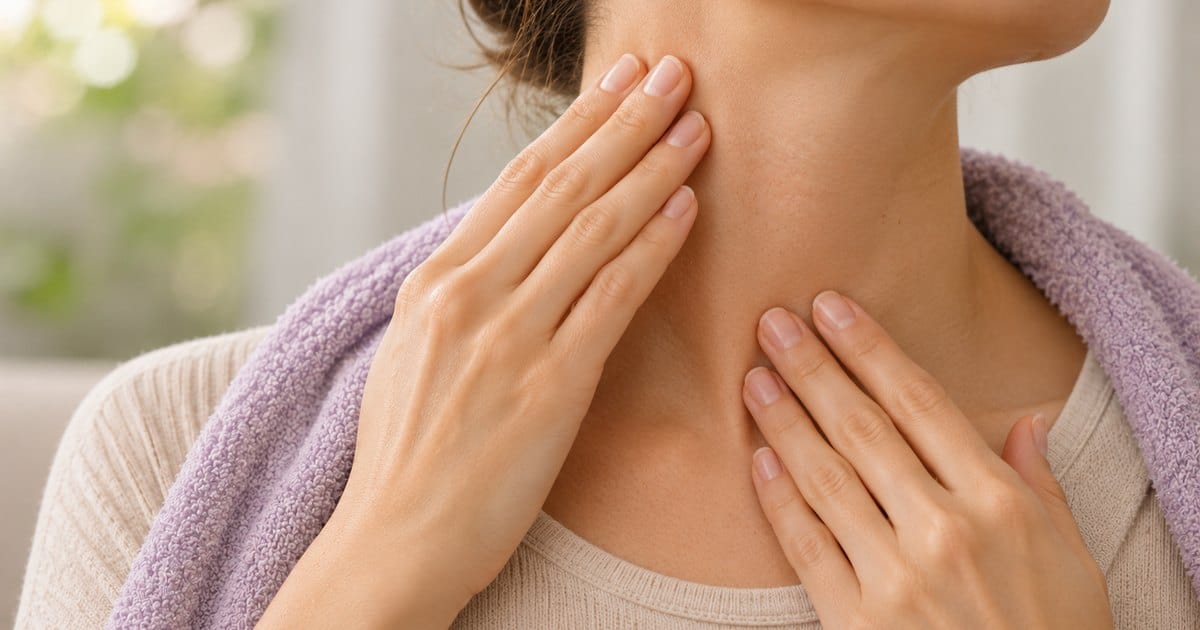
Lymphatic drainage massage is a gentle, slow technique that uses very light movements to encourage fluid to move toward your lymph node clusters. People use it for everyday puffiness, heaviness, and a general sense of lightness. This guide walks you through a simple at-home routine, step by step, and gives you an honest look at what the technique can and cannot do. A full session takes about 10 to 15 minutes.
Before you start, keep one idea in mind. This is a light-touch method. If you feel your muscles under your fingers, you are pressing too hard.
Key Takeaways
- Use light pressure and slow strokes that move the skin toward your lymph nodes.
- The best-supported use is encouraging fluid movement when flow is disrupted, usually under professional guidance. Other claims have limited evidence.
- Weight loss is not a supported benefit.
- Some people should skip it or check in with a physician first.
What Is Lymphatic Drainage Massage?
Lymphatic drainage massage is a gentle, superficial technique performed on the skin. Your lymph vessels sit just beneath the surface, and they have no pump of their own. They rely on muscle movement, breathing, and fluid volume to keep flowing. Light touch and slow breathing give lymph a small nudge toward the nodes in your neck, underarms, and groin.
Cleveland Clinic describes the technique as a specialized form of massage that moves fluid through the lymphatic system. There are two main types. Manual lymphatic drainage is done by a trained therapist. Simple lymphatic drainage is a lighter routine that you can learn to do at home.
People reach for it for different reasons. Some use it after long periods of sitting or travel, when their legs feel heavy. Others like it as a calming evening ritual. Because the touch is so light, it can feel very different from a typical deep-tissue massage.
Does Lymphatic Drainage Massage Work?
The honest answer is that it depends on what you expect from it. The best support exists for easing swelling when lymph flow is disrupted, and that use usually involves a trained therapist. Medical News Today notes that a specialist should teach anyone who plans to do simple lymphatic drainage at home.
Evidence is more limited for everyday uses. Some people notice less facial puffiness, but research on that is thin. Weight loss and “flushing out waste” are not supported by the evidence, so be wary of any source that promises them. What the technique can offer is a calm, relaxing routine that pairs well with other healthy habits.
If you have ongoing swelling, do not rely on self-massage alone. A physician or certified therapist can find the cause and show you the right approach for your body. Self-massage is best for general, everyday support.
How to Do a Lymphatic Drainage Massage at Home
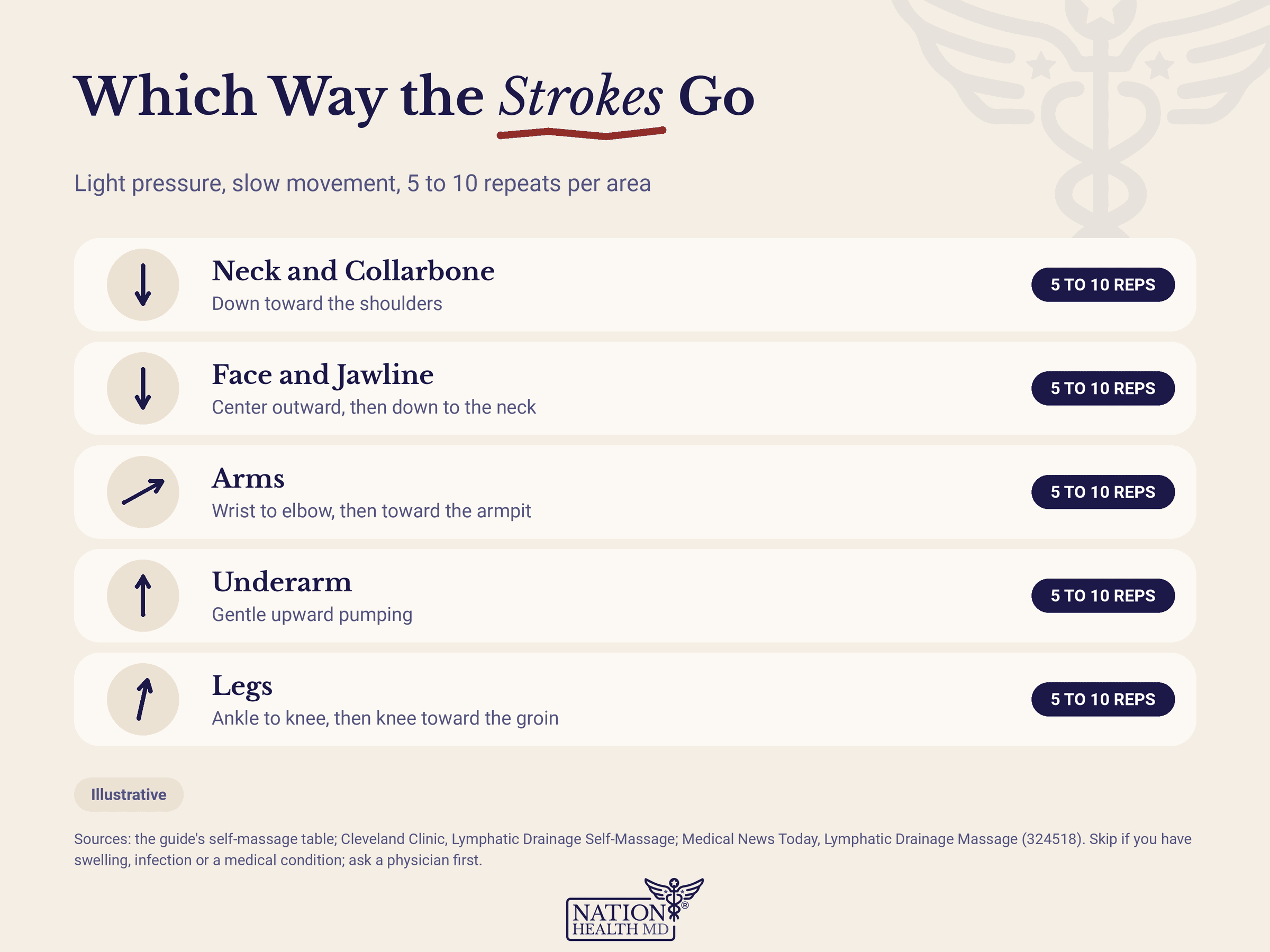
For each step below, use light pressure, move slowly, and repeat the movement 5 to 10 times. Work on clean, dry skin or use a very small amount of oil if you prefer. Cleveland Clinic’s self-massage guide follows a similar order.
Step 1: Prepare and Breathe
Find a warm, quiet space and wear loose clothing. Keep a glass of water nearby. Place both hands on your ribs and take five slow, deep breaths. Let your belly rise as you inhale and sigh the air out through your mouth. Deep breathing helps create the pressure changes that move lymph through the chest.
Step 2: Open the Neck and Collarbone Area
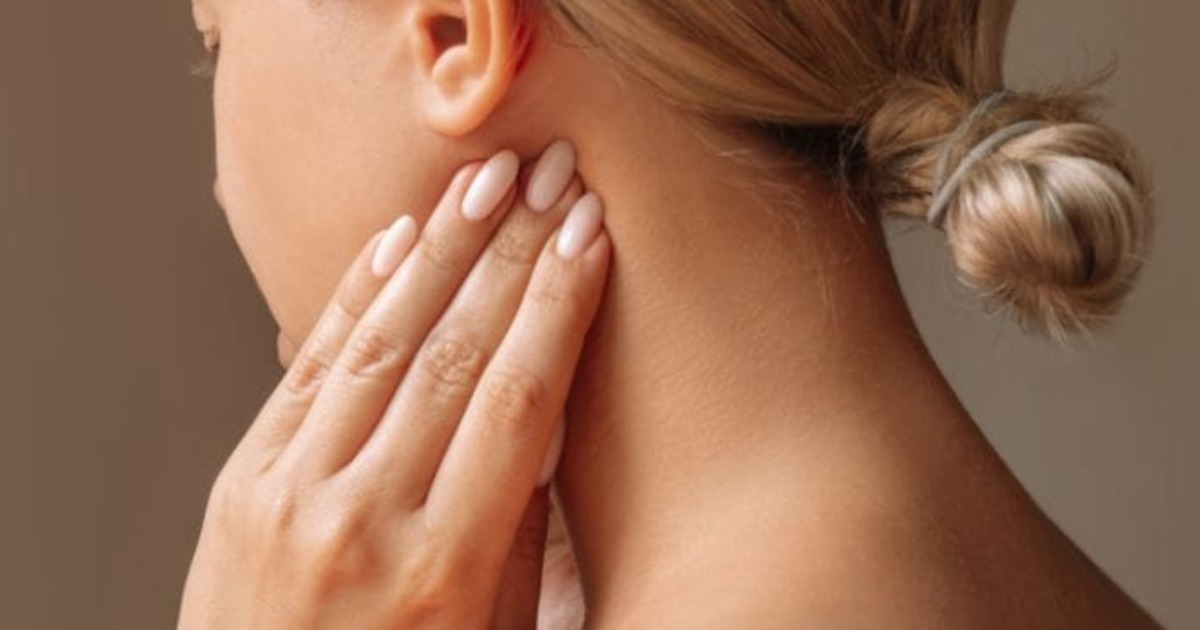
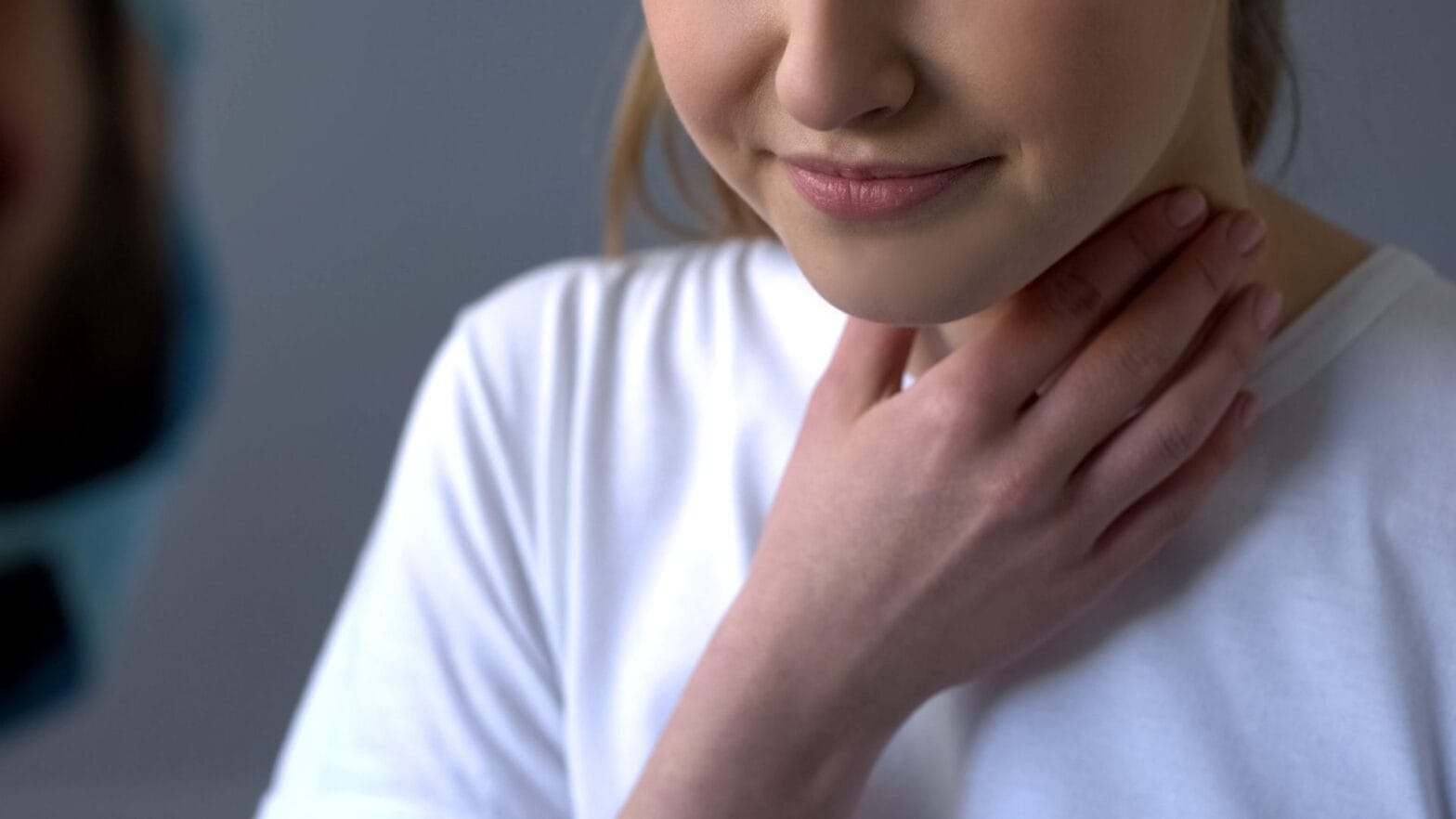
Place two fingers on each side of your neck, just below the earlobes. Gently slide the skin down toward your shoulders, then release. Next, make small, light sweeps above your collarbone, moving toward the center. These areas hold major lymph nodes that act as collection points, so starting here prepares the pathway for fluid from the face and head.
Step 3: Move to the Face and Jawline
Use the pads of your fingers to sweep lightly from the center of your face outward, then down along the jaw toward your neck. Keep the sweeps slow and feather-light. People often like this step for morning puffiness. Research on facial benefits is limited, so view it as a pleasant routine rather than a guaranteed result.
Step 4: Arms and Underarms
Starting at the wrist, sweep gently up the forearm toward the elbow, then from the elbow toward the armpit. Finish with a gentle circular motion in the underarm area. Cup your palm under the armpit and pump it softly upward. Repeat on the other arm. Keep your shoulders relaxed and your elbow slightly bent. If you feel any pinching or discomfort, ease the pressure even further.
Step 5: Legs
Sit with a pillow under your knee for support. Begin at the top of your thigh near the groin and sweep lightly toward the hip. Then work down: sweep from the knee up toward the thigh, then from the ankle up toward the knee. Always direct the movements upward, toward the body’s center. Take your time with this step, since the legs hold a large share of your body’s fluid. Elevating your feet on a cushion for a few minutes afterward can feel pleasant too.
Step 6: Finish With Breathing
Return to slow breaths for a minute or two. Drink a glass of water and rest for a few minutes. Medical News Today recommends drinking extra fluids after a session.
Lymphatic Self-Massage at a Glance
| Area | Movement Direction | Repetitions |
|---|---|---|
| Neck and collarbone | Down toward the shoulders | 5 to 10 |
| Face and jawline | Center outward, then down to the neck | 5 to 10 |
| Arms | Wrist toward elbow, then toward armpit | 5 to 10 |
| Underarm | Gentle upward pumping | 5 to 10 |
| Legs | Ankle toward knee, knee toward groin | 5 to 10 |
Tips for a Better Session
A few small choices make the routine easier and more comfortable. Choose a time when you are not rushed, such as before bed or after a shower when your skin is warm. Keep your nails short and your hands relaxed. Move at a slow, steady pace, about one sweep every few seconds. If your hands feel tense, pause and take a breath.
It also helps to follow the same order each time, from the neck outward. That builds a rhythm and keeps you from skipping areas. Finish by sipping water, since staying hydrated supports lymph flow after any session.
How Often Should You Do It?
Many people do a short routine once a day or a few times a week. There is no set schedule that works for everyone. Stop if anything feels sore or uncomfortable. The massage should never hurt, and your skin should not turn red. Results vary, so do not expect a particular outcome by a particular date.
Who Should Skip Lymphatic Drainage Massage?
This technique is not right for everyone. Skip it, or check in with a physician first, if any of the following apply to you:
- You have an active skin infection, broken skin, or a skin rash in the area
- You have swelling with no known reason or swelling that is only on one side of the body
- You have had recent surgery or had lymph nodes removed
- You are pregnant
- You are managing a heart or circulation concern, or any other health condition
If you are unsure, ask a physician or a certified lymphatic therapist before you begin. They can show you the safest way to do it. A certified lymphatic therapist is trained to adjust the technique to your body and your health history, which is worth the extra step if you have any concerns.

Supporting Your Lymphatic System Beyond Massage
Massage is one tool, and it works best alongside everyday habits. Staying hydrated, moving daily, and eating a food-first diet all support healthy lymph flow. Our guide to exercises for the lymphatic system offers easy ways to stay active, and our list of the best foods for lymphatic health makes meal planning simple.
For extra daily support, lymphatic health supplements are formulated to support healthy lymph flow alongside massage, movement, and hydration. They complement your routine rather than replace it. For a broader look at natural habits, see how to detox your lymphatic system naturally.
Conclusion
A lymphatic drainage massage at home is a gentle way to support comfortable fluid movement and take a few quiet minutes for yourself. Keep the pressure light, move toward your lymph nodes, and pair the routine with water, movement, and good food. If you notice persistent or unusual swelling, check in with a physician.
FAQs
A home session usually runs 10 to 15 minutes. Professional sessions may be longer. Shorter, gentler sessions are fine when you are starting out.
Some guides recommend using only your hands, while others allow a small amount of light oil. Either way, the skin should move under your fingers without sliding or pulling. Avoid products that irritate your skin.
Some people feel relaxed or sleepy afterward, and some notice they need to urinate more. Drinking water afterward is a good idea. Mention anything that feels unusual to a physician.
Evidence for bloating is limited. Some people find the gentle belly breathing and relaxation comfortable. If bloating is frequent or comes with other symptoms, check in with a physician.
Cleveland Clinic. (n.d.). Lymphatic drainage massage: What it is and benefits.
Cleveland Clinic. (n.d.). How to perform a lymphatic drainage self-massage.
Mayo Clinic Staff. (2025). Swollen lymph nodes: Symptoms and causes. Mayo Clinic.
Moore, J. E., & Bertram, C. D. (2018). Lymphatic system flows. Annual Review of Fluid Mechanics, 50(1), 459-482.
Eske, J. (2025). Lymphatic drainage massage: Benefits and how to perform. Medical News Today.
Popular Articles



Advertisement. This site offers health, wellness, fitness and nutritional information and is designed for educational purposes only. You should not rely on this information as a substitute for, nor does it replace, professional medical advice, diagnosis, or treatment. If you have any concerns or questions about your health, you should always consult with a physician or other health-care professional. Do not disregard, avoid or delay obtaining medical or health related advice from your health-care professional because of something you may have read on this site. The use of any information provided on this site is solely at your own risk.
Share: