

Exercises for Lymphatic System
 Medically reviewed by our experts
 8 min read
  3 citations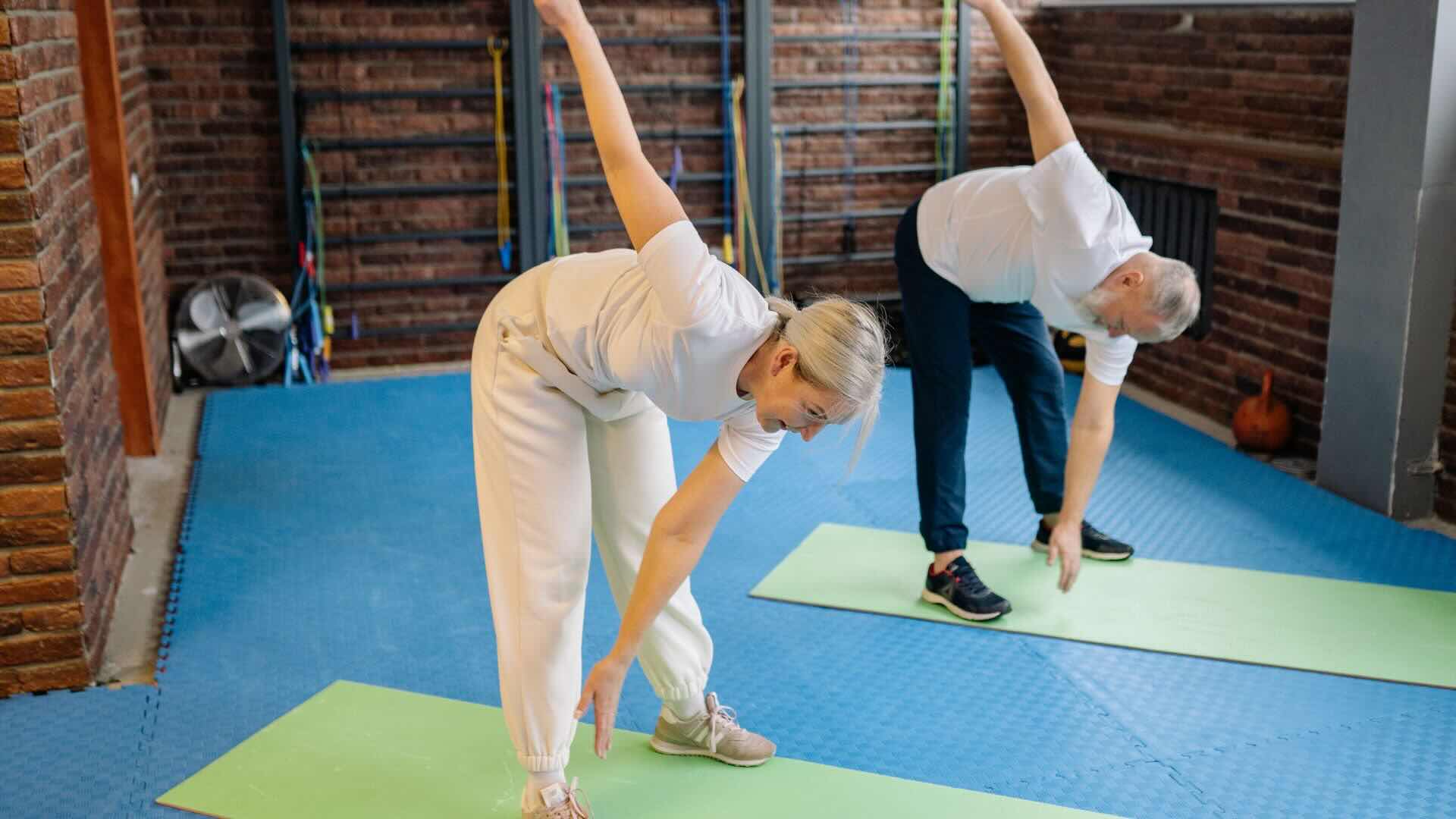
Exercises for lymphatic system health work because lymphatic fluid has no pump of its own. It makes movement one of the most effective everyday ways to support healthy flow. This article covers the best exercises, how often to do them, and how to build them into a daily routine.
Key Article Findings
- The lymphatic system relies on muscle movement and breathing to keep fluid circulating. It has no pump of its own.
- Walking, rebounding, deep breathing, and gentle stretching are among the most accessible everyday options.
- Consistency matters more than intensity for lymphatic support.
Why Exercise Matters for Lymphatic Health
Unlike the circulatory system, which relies on the heart as a central pump, the lymphatic system moves fluid through a combination of muscle contraction, breathing, and gravity. As muscles contract and release around the body’s network of lymph vessels, they squeeze fluid along, one section at a time. Sit for long stretches without moving, and that flow slows down. Build regular movement into your day, and you are giving the system exactly the mechanical support it depends on.
The lymphatic vessels themselves also have a limited ability to contract on their own. However, this built in pumping action works best when it is supported by outside movement rather than left to do all the work alone. That is part of why even light, frequent activity throughout the day tends to be more effective for lymphatic support than a single intense workout followed by hours of sitting still.
Best Exercises for the Lymphatic System
Exercises for the lymphatic system do not need to be intense to be effective. A few accessible, low impact options come up again and again as practical everyday choices.
Walking
Walking is one of the simplest and most consistent options available, largely because it is so easy to repeat daily. The steady, rhythmic muscle contraction involved in walking supports lymph movement throughout the legs and lower body. Because it requires no equipment or special setup, it tends to be the option people actually stick with over time. Even a short walk after a meal or during a work break adds up when it is repeated day after day. There is also no minimum pace required for it to be worthwhile. A relaxed, comfortable stride done consistently offers more everyday support than an occasional fast paced session squeezed in once a week.
Rebounding
Rebounding, or gentle bouncing on a mini trampoline, is traditionally associated with lymphatic support. This is because of the up and down movement it involves. At the top of each small bounce, the body briefly experiences a moment of near weightlessness. That shift is often described as encouraging greater lymph flow through the system’s valves. A dedicated deeper dive into rebounding is planned for this blog. Consider this a starting overview rather than the full picture.
Deep Breathing
Diaphragmatic, or deep belly, breathing plays a role in lymphatic flow that is easy to overlook. As the diaphragm contracts during a deep inhale, it creates increased negative pressure in the chest cavity. This can help draw lymph fluid through one of the system’s major central pathways. A slow, deliberate breathing practice for a few minutes a day is a low effort way to support this process. Look for a dedicated article on deep breathing techniques on this blog soon for a closer look.
Yoga and Gentle Stretching
Certain yoga poses, particularly gentle inversions like legs up the wall, are commonly cited for their role in supporting lymphatic circulation. This is because elevating the legs above the heart uses gravity to help fluid move back toward the torso. Gentle twists are another commonly recommended option. The light compression and release they create in the torso can support flow through that region. As with any inversion, ease in gradually and skip these if you have any concerns about blood pressure or neck and back comfort.
How Often Should You Exercise for Lymphatic System Support?
For lymphatic system exercises specifically, frequency tends to matter more than intensity. Short, consistent sessions most days of the week, even just twenty to thirty minutes of walking or gentle movement, generally support lymphatic flow better than occasional, high intensity workouts. The goal is steady, regular muscle activity rather than pushing hard once and resting for days afterward. If you are building a new routine, starting with a daily short walk and layering in a few minutes of stretching or deep breathing is a realistic place to begin.
Breaking up long stretches of sitting matters just as much as any dedicated exercise session. Standing up and moving for even a minute or two every hour, especially during a desk heavy workday, keeps muscle contraction happening regularly throughout the day rather than concentrated entirely into one block of time. If a daily routine feels like a lot to commit to at first, aim for consistency over a full week rather than a perfect streak. A realistic, sustainable pattern will support lymphatic health better over time than an ambitious routine that is hard to maintain.
Exercises to Approach with Extra Caution
Some situations call for a gentler approach. High impact or very intense exercise during a period of noticeable, acute swelling anywhere in the body is generally worth easing back on until the swelling has settled. Gentler, lower intensity movement, like walking or light stretching, tends to be a better fit during those stretches than pushing through a high intensity session. If you are ever unsure whether a particular type of movement is appropriate for what you are experiencing, checking in with a physician before continuing your usual routine is a reasonable step.
This same caution applies to inversions and other yoga poses that place the head below the heart. Anyone with concerns about blood pressure, or with recent injury to the neck or back, is generally better served easing into gentler alternatives. This include supported legs up the wall pose against a wall rather than a full inversion, or skipping that category of movement altogether until getting guidance from a physician.
Supporting Lymphatic Health Beyond Exercise
Movement works best alongside a few other daily habits. Staying well hydrated keeps lymph fluid moving more easily, since the system depends on adequate fluid volume to function well. Dry brushing, a light brushing technique applied to dry skin before showering, is another habit some people build into their routine as a complementary practice alongside regular movement. Gentle lymphatic self-massage, a light, circular technique applied to areas like the neck and chest, is another option people use to complement regular movement. Neither replaces exercise, but both can round out a more complete daily approach to lymphatic support.
Consistent sleep is another factor worth mentioning. The body carries out a great deal of its everyday maintenance and repair work during rest. Pairing regular movement with adequate sleep and steady hydration gives the lymphatic system several forms of support working together, rather than relying on any single habit to carry the whole load.
How Supplements Can Support Your Lymphatic System
For those looking for extra everyday support, lymphatic health supplements are formulated to help support healthy lymphatic function as part of a broader daily wellness routine, alongside the movement habits above. These are complementary, structure function support rather than a substitute for staying active. Pairing regular movement with everyday habits that support your lymphatic system and a few home remedies for swollen lymph nodes for day to day comfort rounds out a practical, well balanced routine.

Conclusion
Movement is one of the most accessible everyday ways to support lymphatic health. The lymphatic system depends on muscle contraction and breathing rather than a central pump. Consistency matters more than any single exercise, so build a few of these habits, whether that is a daily walk, a few minutes of deep breathing, or gentle stretching, into your regular routine.
Exercise is one of the most effective everyday supports for lymphatic flow, but it works best alongside hydration and other daily habits rather than as a single standalone solution.
There is no strict best time. Consistency matters more than timing, so choose a time you can realistically repeat most days, whether that is a morning walk or an evening stretching session.
Both are commonly cited as accessible, effective options, and neither clearly outperforms the other for general everyday support. The better choice is usually whichever one you will actually do consistently.
Many people build dry brushing into their routine alongside regular movement as a complementary daily habit, though there is no requirement to pair the two.
This varies by person, and consistency over several weeks tends to matter more than any noticeable shift in the first few days. Building a sustainable routine is a more useful goal than watching for quick changes.
Healthline. (2023). Lymphatic dysfunction (lymphedema): Symptoms and treatments. Healthline.
Cleveland Clinic. (2021). The yoga pose you need: The health benefits of legs up the wall. Cleveland Clinic.
Cleveland Clinic. (2025). How to perform a lymphatic drainage self-massage. Cleveland Clinic.
Popular Articles



Advertisement. This site offers health, wellness, fitness and nutritional information and is designed for educational purposes only. You should not rely on this information as a substitute for, nor does it replace, professional medical advice, diagnosis, or treatment. If you have any concerns or questions about your health, you should always consult with a physician or other health-care professional. Do not disregard, avoid or delay obtaining medical or health related advice from your health-care professional because of something you may have read on this site. The use of any information provided on this site is solely at your own risk.
Share: