Best Foods for Lymphatic Health: A Simple Diet Guide
 Medically reviewed by our experts
 7 min read
 6 citations
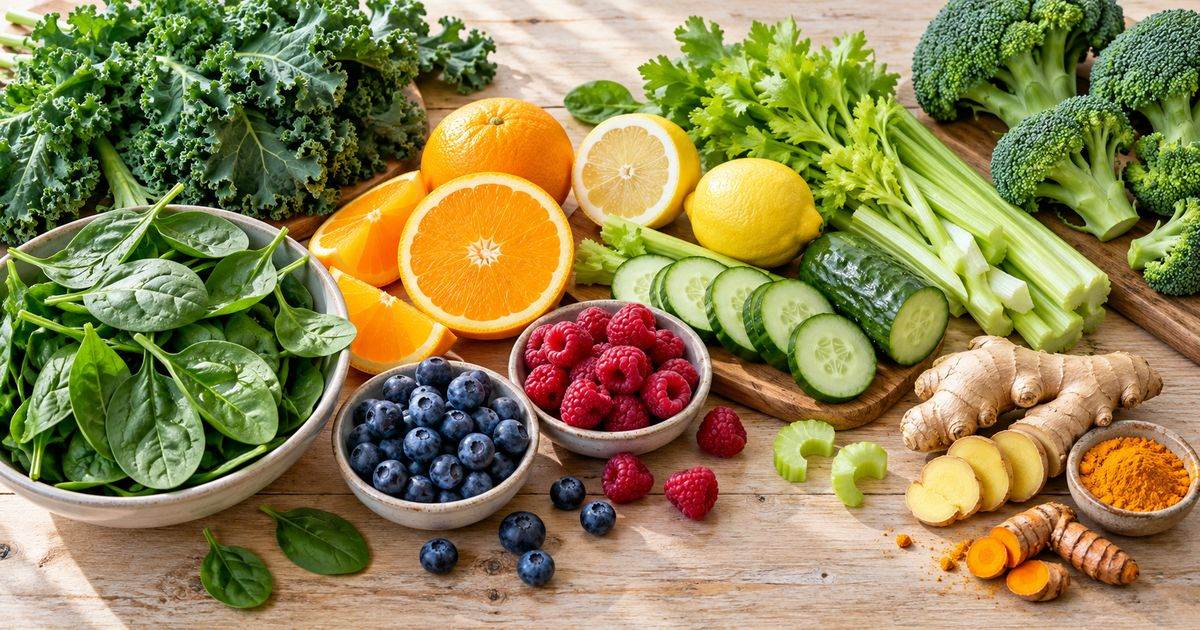
Finding the best foods for lymphatic system health does not require a complicated plan. Diet is one of the most accessible, everyday levers you have for supporting your lymphatic system. Lymph fluid is made up mostly of water, so hydration and specific nutrients play a direct role in how easily it moves through your body. This guide covers the best foods for lymphatic health, a few habits worth limiting, and how to build a simple, sustainable diet around them.
Many people only think about their lymphatic system when something feels off. But the food choices you make every day shape how well it functions in the background. Small, consistent choices, rather than a dramatic overhaul, tend to make the most practical difference over time.
Key Takeaways
- Hydrating, nutrient-dense foods support lymph flow.
- Leafy greens, citrus fruits, and berries are especially useful additions.
- A few foods and habits can work against lymphatic health and are worth limiting.
- Food works best alongside movement and hydration, not as a standalone solution.
How Diet Supports Your Lymphatic System
Unlike blood, lymph fluid has no central pump moving it through the body. It relies on muscle movement, breathing, and adequate fluid volume to keep flowing smoothly. Since lymph is roughly 95 percent water, staying hydrated is foundational. Specific nutrients also play a supporting role in circulation and vessel health. That is why certain foods come up again and again in conversations about lymphatic wellness.
Nutrition works alongside the other everyday habits that support lymphatic function, including movement and consistent hydration, rather than replacing them. Think of food as one part of a broader daily routine, not a standalone solution. That mindset tends to set more realistic expectations for what dietary changes can do.
Best Foods for Lymphatic Health
A handful of food groups stand out for the nutrients and water content they bring to the table.
Leafy Greens
Spinach, kale, and arugula are rich in chlorophyll, along with vitamins A, C, and K. Chlorophyll has been studied for its role in supporting the body’s natural detoxification processes. Adding a handful to a smoothie or salad is an easy way to build them into a daily routine.
Rotate between a few different greens rather than relying on just one. This helps broaden the range of nutrients you are taking in. Lightly steaming or sautéing greens can make them easier to eat in larger portions than a raw salad alone, while still preserving much of their nutritional value.
Citrus Fruits
Oranges, grapefruit, and lemon are rich in vitamin C and bioflavonoids, nutrients that support capillary and vessel health. A squeeze of lemon in water or a piece of fruit alongside a meal is a simple way to work more in.
Berries
Blueberries, strawberries, and raspberries are full of antioxidants that may help protect blood vessels from oxidative stress. That supports smooth movement of fluid through the body. Adding a handful to oatmeal or yogurt is an easy daily habit.
Hydrating Vegetables
Cucumber, celery, and watermelon carry a high water content. This helps support the fluid volume your lymphatic system depends on to keep moving efficiently. These make an easy, refreshing addition to meals or snacks throughout the day.
These vegetables and fruits deliver fluid alongside vitamins, minerals, and fiber. That tends to make them more satisfying than water alone while still contributing meaningfully to daily hydration. Keeping cut cucumber or celery on hand for snacking is a practical way to build this habit without much extra effort.
Cruciferous Vegetables
Broccoli and cauliflower are nutrient-dense and hydrating. They offer fiber and a range of vitamins that support overall wellness alongside lymphatic health specifically. Roasting, steaming, or adding them raw to a salad are all simple ways to work more into a weekly rotation.
Anti-Inflammatory Herbs and Spices
Ginger, turmeric, and garlic have a long history of traditional use for supporting circulation and a healthy inflammatory response. A pinch added to soups, teas, or stir-fries is a low effort way to include them regularly.
Pairing turmeric with a source of black pepper may help the body use its active compounds more effectively. That is a pairing worth keeping in mind when cooking with it at home. Fresh ginger steeped in hot water makes a simple, warming tea. It doubles as an easy way to add fluid intake alongside the herb itself.
| Food | Key Compound | Practical Daily Serving Idea |
|---|---|---|
| Leafy Greens | Chlorophyll, vitamins A, C, K | Handful in a smoothie or salad |
| Citrus Fruits | Vitamin C, bioflavonoids | Fruit with a meal, lemon in water |
| Berries | Antioxidants, polyphenols | Handful added to oatmeal or yogurt |
| Hydrating Vegetables | High water content | Cucumber or celery as a snack |
| Cruciferous Vegetables | Fiber, nutrient density | Side of broccoli or cauliflower |
| Herbs and Spices | Anti-inflammatory compounds | Pinch in soups, teas, or stir-fries |
Foods and Habits That May Work Against Lymphatic Health
A few everyday habits can counteract the foods above. Excess sodium can lead the body to hold onto extra fluid. That may leave the lymphatic system working harder than necessary. Highly processed foods and added sugars are worth limiting too, since they offer little of the nutrient density that supports circulation. Staying underhydrated compounds all of this, since without enough fluid, lymph has less to work with in the first place.
Read nutrition labels for sodium content rather than assuming a packaged food is a healthy choice. That habit adds up over time. Cooking at home more often, even a few extra meals a week, naturally reduces exposure to the excess sodium and processed ingredients common in restaurant and packaged foods.
Building a Simple Lymphatic Health Diet Day-to-Day
Pairing a vitamin C-rich food with a leafy green, like citrus alongside a spinach salad, may help your body use nutrients more efficiently together than either would alone. Prioritize whole foods over processed ones. Spread water intake evenly across the day, rather than catching up all at once, to support steadier fluid balance. Food works best as one piece of a broader routine. Pairing these habits with regular movement rounds out a more complete approach to lymphatic wellness.
A realistic starting point might look like this: a glass of water and a piece of citrus fruit in the morning, a salad with leafy greens and a hydrating vegetable at lunch, and a handful of berries or a ginger tea in the afternoon. None of this requires special products or a strict meal plan. It is just a general shift toward the food groups that give your lymphatic system what it needs to keep moving.

How Supplements Can Round Out Your Lymphatic Health Routine
For those looking for extra everyday support, lymphatic health supplements are formulated to help fill nutritional gaps and support healthy lymph flow as part of a broader daily wellness routine, alongside a food-first approach. These are complementary, structure function support rather than a replacement for the dietary habits above.
Conclusion
The best foods for lymphatic system health are, for the most part, foods you likely already have on your grocery list. A handful of consistent food choices, paired with steady hydration and regular movement, give your lymphatic system practical, everyday support. Building a few of these habits into your routine tends to matter more than any single food or a short-term overhaul.
Start small. Add one hydrating vegetable to lunch, or swap a processed snack for a handful of berries. Consistency across weeks tends to matter far more than any single meal, so aim for habits you can reasonably keep up rather than an ambitious plan that is hard to sustain.
Highly processed, high sodium foods can encourage the body to hold onto extra fluid. This may make general puffiness or sluggishness more noticeable. It is different from swelling caused by an infection or other underlying factor.
General hydration guidance applies here, since the lymphatic system benefits from the same steady water intake that supports the rest of the body. Pairing water with hydrating foods throughout the day is a practical way to stay consistent.
Diet is one meaningful piece of the picture. It works best alongside movement and hydration rather than as a standalone approach. Consistency across all three tends to matter more than focusing on food alone.
There is no specific food tied to swollen lymph nodes from an infection or other cause. Limiting processed foods and excess sodium supports general wellness while your body works through it. A few home remedies can offer additional comfort in the meantime.
Moore, J. E., & Bertram, C. D. (2018). Lymphatic system flows. Annual Review of Fluid Mechanics, 50(1), 459-482.
Martins, T., et al. (2023). Enhancing health benefits through chlorophylls and chlorophyll-rich agro-food: A comprehensive review. Molecules, 28(14), 5344.
Healthline. (2024). The 13 healthiest leafy green vegetables. Healthline.
Spritzler, F. (2023). 11 reasons why berries are among the healthiest foods on Earth. Healthline.
Harvard Health Publishing. (2022). The sweet danger of sugar. Harvard Medical School.
Popular Articles



Advertisement. This site offers health, wellness, fitness and nutritional information and is designed for educational purposes only. You should not rely on this information as a substitute for, nor does it replace, professional medical advice, diagnosis, or treatment. If you have any concerns or questions about your health, you should always consult with a physician or other health-care professional. Do not disregard, avoid or delay obtaining medical or health related advice from your health-care professional because of something you may have read on this site. The use of any information provided on this site is solely at your own risk.
Share: