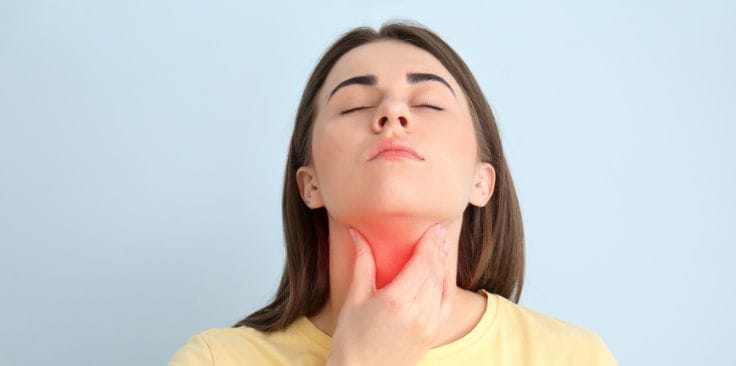

Best 5 Effective Home Remedies for Swollen Lymph Nodes
 Medically reviewed by our experts
 7 min read
  5 citations
Noticing a tender, swollen lymph node under your jaw or along your neck can be unsettling, especially when you are not sure what caused it. Lymph nodes are small, bean shaped structures that act as filtration checkpoints for your immune system, and swelling usually means one is actively responding to something nearby, most often a minor infection. Home remedies will not settle the underlying cause, but several simple, evidence-informed measures can support comfort while your body works through it. This guide covers five practical home remedies for swollen lymph nodes, plus how to tell when it is time to check in with a physician.
Key Article Findings
- Home remedies support comfort, not the underlying cause of swollen lymph nodes.
- Most swelling eases within one to two weeks as the body responds to whatever triggered it.
- Warmth, hydration, and rest are among the most consistently useful home measures.
- Persistent, hard, or widespread swelling is worth a physician’s attention.
What Causes Swollen Lymph Nodes?
Lymph nodes filter fluid and trap bacteria, viruses, and other particles before they spread further through the body. When immune cells gather and multiply inside a node to respond to something nearby, usually an infection, the node can swell and feel tender. This is a normal, temporary immune response in most cases, and on its own it is rarely something to worry about.
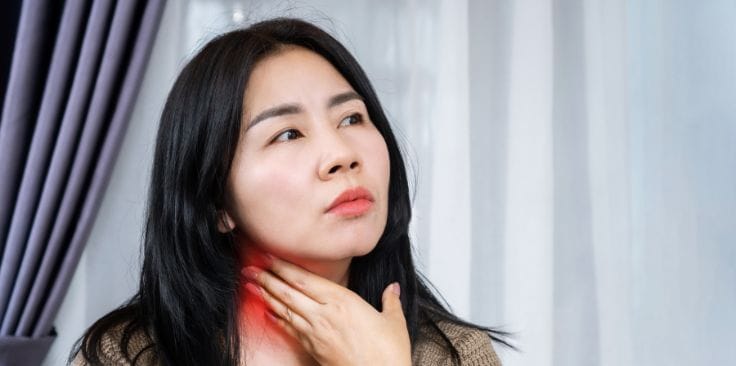
Swelling can show up in a single node or across a cluster, most commonly under the jaw, along the sides of the neck, in the armpits, or in the groin. Where it appears often points to what nearby tissue the node is filtering. Neck and jaw swelling, for example, is frequently tied to something happening in the throat, sinuses, or scalp, while swelling elsewhere may point to a different area entirely. Knowing this general pattern can help you make sense of what you are noticing, even without knowing the exact cause.
5 Effective Home Remedies for Swollen Lymph Nodes
These five remedies focus on comfort and gentle support rather than addressing whatever triggered the swelling in the first place.
1. Warm Compress
A warm compress can ease tenderness around a swollen node by improving local circulation and relaxing the surrounding tissue. Soak a clean washcloth in warm, not hot, water, wring out the excess, and hold it against the area for ten to fifteen minutes. Repeating this three to four times a day tends to work better than one long session.
Consistency matters more than intensity here. A brief, repeated warm compress routine spread across the day tends to feel more soothing than a single extended session, and it is gentle enough to use alongside whatever else you are doing to support recovery. If the skin over the node feels unusually warm, red, or increasingly tender, that is worth mentioning to a physician rather than continuing with heat alone.
2. Saltwater Gargle
For swelling in the neck or throat area, a simple saltwater gargle routine can help. Dissolve half a teaspoon of salt in eight ounces of warm water, gargle for thirty seconds, then spit it out. Repeating this three to four times daily, particularly after meals, is a simple habit that costs nothing and takes only a moment.
This remedy works especially well for nodes located along the jaw and upper neck, since it addresses the throat tissue those nodes are filtering fluid from. Using fresh, warm water for each gargle, rather than reusing a batch that has cooled, tends to feel more soothing and is easy to build into a morning and evening routine.
3. Chamomile Tea
Chamomile has a long history of traditional use for its calming, soothing properties. Steeping a chamomile tea bag in hot water for five to ten minutes and drinking two to three cups a day is a gentle way to add warmth and comfort to your routine while you rest.
Beyond the warmth itself, the ritual of pausing for tea can support the kind of rest your body benefits from while it works through whatever is behind the swelling. Adding a small amount of honey and lemon can round out the flavor and contribute a bit of extra fluid intake at the same time.
4. Gentle Lymphatic Massage
A light, circular self-massage technique applied near, not directly on, a swollen node may help support comfort. Use your fingertips to apply gentle pressure in small circles, moving in the direction of the nearest unaffected node cluster. Avoid firm pressure directly on a tender node.
5. Rest and Hydration
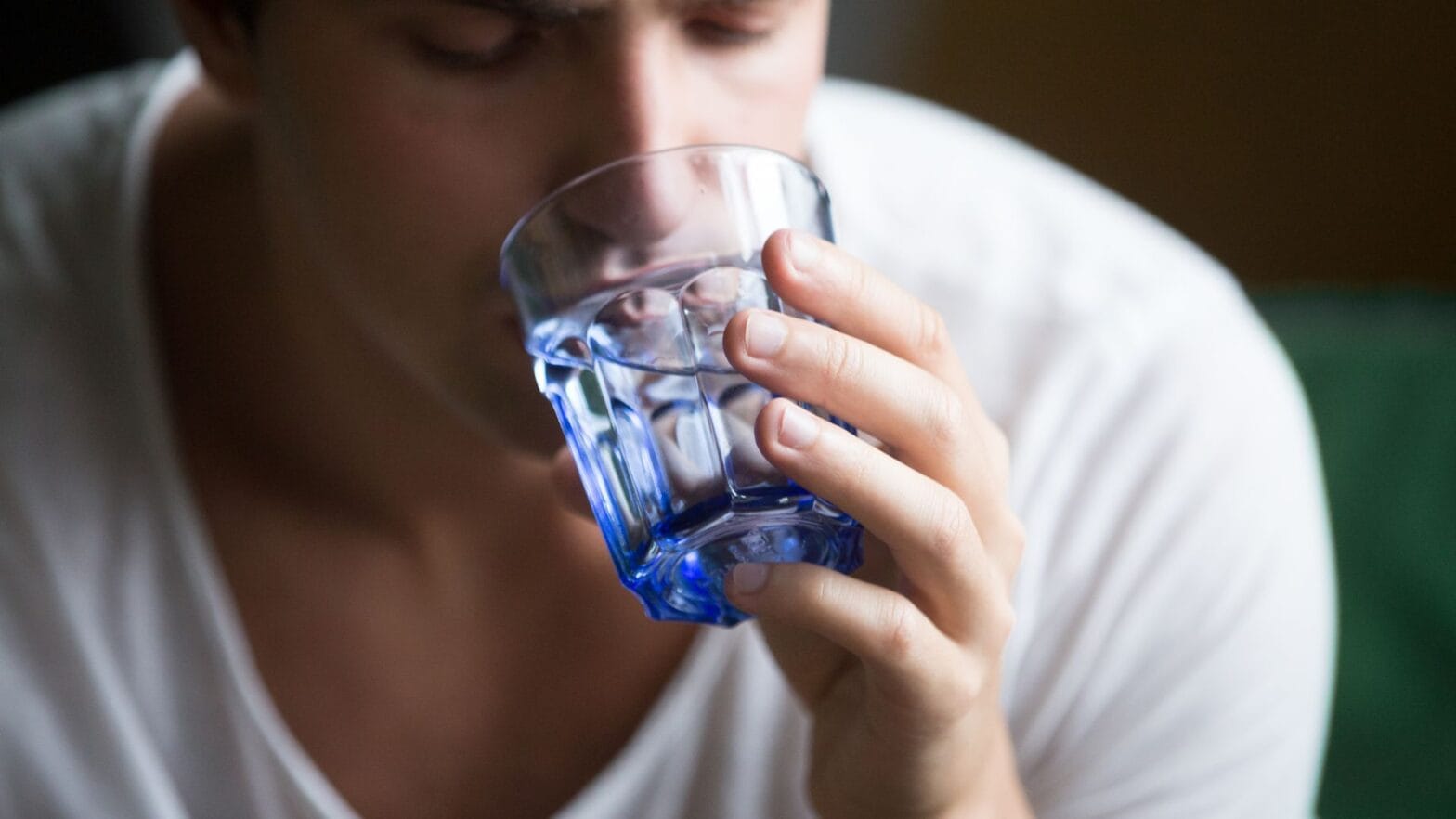
Sleep gives your immune system the space it needs to regulate itself, and staying well hydrated supports general lymph flow, since lymph fluid is mostly water. Neither will settle the underlying cause, but both give your body a steadier foundation to work from.
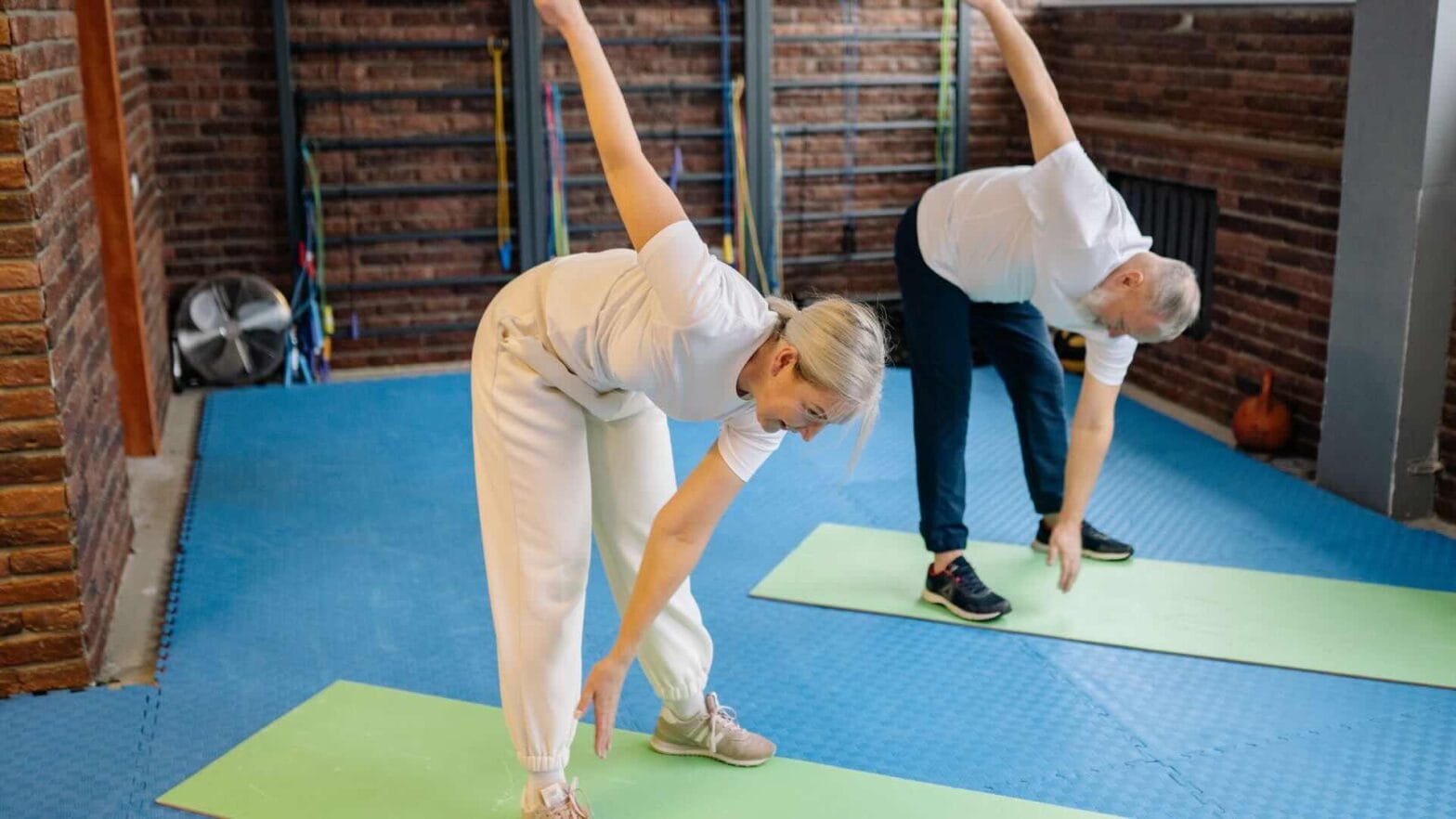
Aim for consistent, quality sleep rather than catching up occasionally, and spread water intake evenly across the day instead of drinking large amounts all at once. Pairing rest and hydration with light, gentle movement, like a short walk, gives your body several forms of everyday support working together rather than relying on any single habit to carry the whole load.
| Remedy | How It May Help | How to Use |
| Warm Compress | Improves local circulation, eases tenderness | 10-15 min, 3-4x daily |
| Saltwater Gargle | Mild cleansing action for throat area | 3-4x daily, especially after meals |
| Chamomile Tea | Traditional calming, soothing properties | 2-3 cups daily |
| Gentle Lymphatic Massage | Light stimulation near, not on, the node | Small circles, gentle pressure |
| Rest and Hydration | Supports immune regulation and lymph flow | Consistent sleep, steady water intake |
How Supplements Can Support Lymphatic Comfort
For those looking for extra everyday support, lymphatic health supplements are formulated to help support healthy lymph flow and immune function as part of a broader daily wellness routine. These are complementary, structure function support rather than a substitute for the home measures above. Pairing a supplement routine with steady hydration, rest, and gentle movement rounds out a practical, everyday approach to lymphatic comfort.

When to See a Physician
Most swelling tied to a minor, everyday cause settles within a couple of weeks. It is worth checking in with a physician if swelling lasts more than two weeks, if a node feels hard or fixed in place, if more than one area is affected, or if you notice fever, night sweats, or unexplained weight loss alongside it.
Difficulty swallowing or breathing alongside swollen lymph nodes is a sign that calls for immediate medical attention rather than home care. Trusting your instincts matters here. If something about the swelling feels significantly different from what you have experienced before, it is always reasonable to check in sooner rather than waiting to see if it settles on its own.
Conclusion
These five home remedies for swollen lymph nodes are about comfort and support, not a solution to whatever is behind the swelling. Warmth, hydration, gentle movement, and rest are simple, low effort habits that can make the experience more comfortable while your body does the work. If anything about the swelling feels unusual or persistent, a physician can help you understand what is going on.
None of these habits need to be complicated or expensive to be worthwhile. Starting with just one or two, a warm compress in the evening or a steady water intake throughout the day, is a realistic way to build a routine you can actually stick with, rather than trying to adopt all five at once.
Most swelling tied to a minor, everyday cause settles within one to two weeks as the underlying trigger eases. Swelling that lingers well past that point is worth a closer look.
Gentle massage near, rather than directly on, a tender node is generally more comfortable. Firm pressure on the node itself can increase tenderness without adding any benefit.
A warm, not hot, compress applied for short stretches is generally soothing rather than aggravating. Avoid very hot water, which can irritate already sensitive skin.
Staying hydrated and eating a generally balanced diet supports your body’s everyday function, though no single food will directly speed up swelling. Certain foods can support lymphatic health more broadly as part of a daily routine.
Difficulty swallowing or breathing alongside swollen lymph nodes calls for immediate medical attention. These are signs of a more serious underlying cause that needs prompt evaluation.
Mayo Clinic. (2024). Swollen lymph nodes: Symptoms and causes. Mayo Clinic.
Mayo Clinic. (2024). Swollen lymph nodes: Diagnosis and treatment. Mayo Clinic.
Watson, K. (2023). How to make a dry or moist warm compress. Healthline.
Cleveland Clinic. (2025). How to perform a lymphatic drainage self-massage. Cleveland Clinic.
Cleveland Clinic. (n.d.). Swollen glands: Why you get them and when to worry. Cleveland Clinic.
Popular Articles



Advertisement. This site offers health, wellness, fitness and nutritional information and is designed for educational purposes only. You should not rely on this information as a substitute for, nor does it replace, professional medical advice, diagnosis, or treatment. If you have any concerns or questions about your health, you should always consult with a physician or other health-care professional. Do not disregard, avoid or delay obtaining medical or health related advice from your health-care professional because of something you may have read on this site. The use of any information provided on this site is solely at your own risk.
Share: