
Does Stress Cause Swollen Glands?
 Medically reviewed by our experts
 8 min read
  3 citations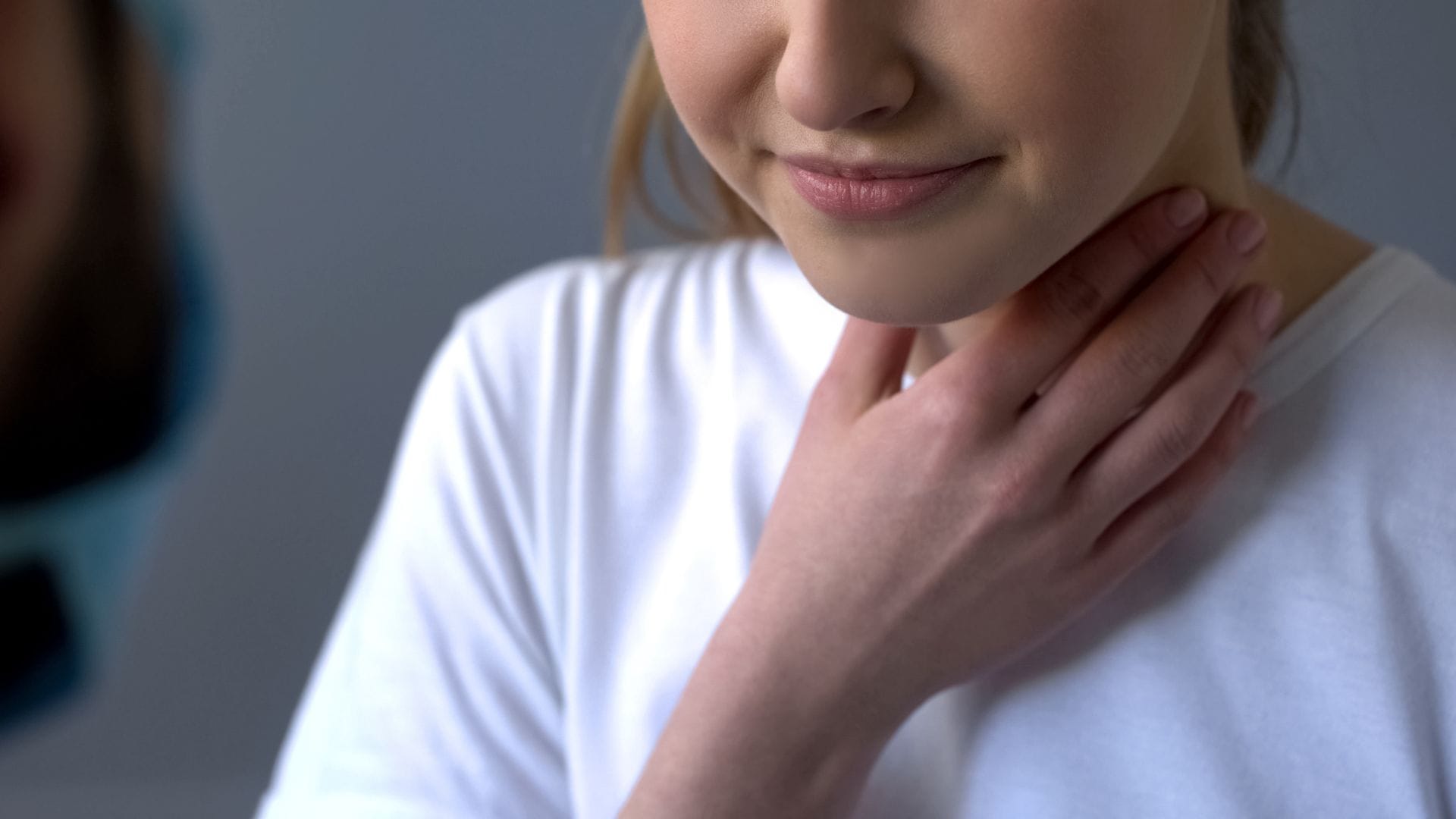
Does stress cause swollen glands? Rarely on its own. Stress can affect your immune system in ways that make swelling more noticeable, but it is not usually the direct cause. This article covers what glands actually are, how stress affects them, and when swelling needs a closer look.
Key Article Findings
- Stress alone rarely causes swollen glands directly, but it can affect immune function.
- “Glands” in this context usually means lymph nodes, small immune filtration structures, not hormone glands.
- Swelling lasting more than two to three weeks, or paired with fever or weight loss, is worth a physician’s look.
The Short Answer: Does Stress Cause Swollen Glands?
In plain terms, not directly. Ongoing stress does not swell glands the way an active illness does. What it can do is shift immune function over time, so swelling that already exists from a minor everyday cause becomes more noticeable or takes a little longer to settle. Stress tends to work alongside other factors rather than acting as the sole trigger.
Glands vs. Lymph Nodes: Are They the Same Thing?
When people say “swollen glands,” they almost always mean lymph nodes, not the hormone producing glands like the thyroid. Lymph nodes are small, bean shaped structures that sit in clusters around the neck, under the jaw, in the armpits, and in the groin. They are part of the lymphatic system, and their job is to filter fluid and trap bacteria, viruses, and other particles before they spread further. The word “gland” stuck as everyday shorthand, but functionally these structures are filtration checkpoints for the immune system, not glands in the hormonal sense.
True hormone producing glands, like the thyroid or the salivary glands, work completely differently. They release specific chemical messengers directly into the bloodstream, and while some of them can also swell under certain circumstances, that swelling has nothing to do with the lymph node process this article is about. The confusion is understandable since both sit in similar areas of the neck, but knowing which one you are actually asking about matters if you are trying to look up more information or describe what you are noticing to a physician.
How Stress Affects Your Body’s Glands
Stress sets off a chain of physical responses: a faster heart rate, tighter muscles, and a release of hormones like cortisol. In small doses and short bursts, cortisol can actually help keep inflammation in check. Over longer stretches of stress, the body can grow accustomed to having more cortisol circulating, and that shift tends to open the door to more inflammation rather than less. It can also nudge certain immune cells to gather in lymph nodes and other lymphoid tissue, staying on standby in case they are needed. None of this swells a node by itself, but it changes the backdrop those nodes are operating against.
Sleep, appetite, and general energy levels tend to shift during extended stress too, and each of those changes can add its own small effect on top of the hormonal picture. None of these individually cause swelling, but together they can leave the immune system working from a less steady baseline, which is often when an otherwise minor, everyday trigger becomes noticeable in a way it might not have during a calmer stretch.
Can Swollen Glands Be Caused by Stress Alone?
Rarely as the sole cause. Most of the time, stress is working alongside something else: a minor cold, a small skin irritation, a seasonal allergy flare. Stress can make the immune response to that other factor feel more pronounced, or make an existing bit of swelling stick around a little longer, but it is unusual for stress on its own, with nothing else going on, to produce noticeable swelling.
If you notice swelling and cannot immediately identify another obvious factor, it is worth considering whether something minor slipped past your notice, a mild scratchy throat you brushed off, a small skin irritation you did not think much of, rather than assuming stress alone is responsible. That said, if nothing else turns up and the swelling is mild and settles within a couple of weeks, it likely reflects exactly this kind of combined, everyday cause rather than anything more significant.
Can Stress Cause Your Glands to Swell in the Neck?
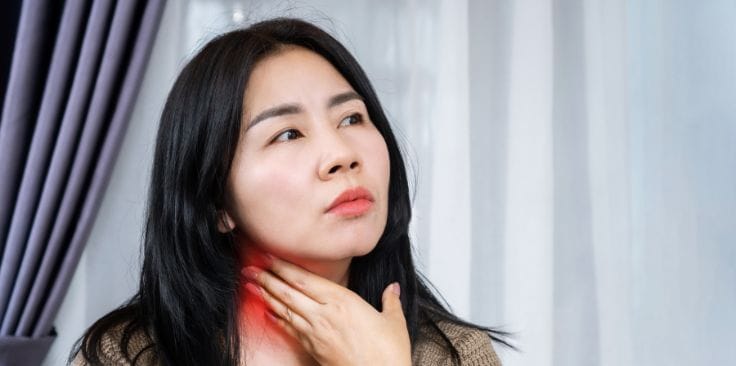
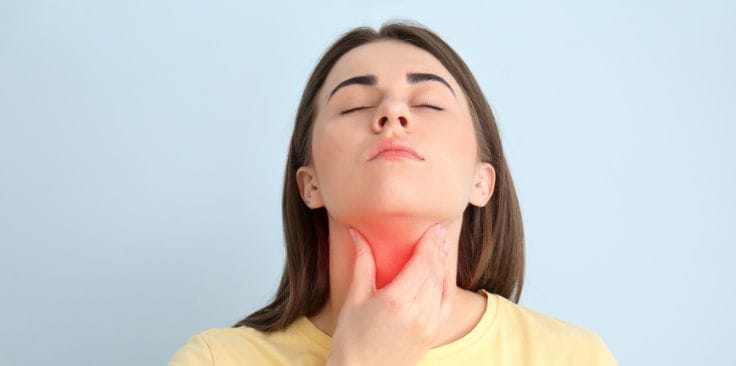
The neck is where most people notice swelling first, and that is largely about location rather than stress specifically. Cervical nodes, the cluster under the jaw and along the neck, filter fluid coming from the throat, sinuses, and scalp, which are areas that pick up minor exposures constantly. A stressful stretch layered on top of one of those everyday exposures is often when swelling in this area becomes noticeable enough to catch your attention.
Because these nodes sit close to the surface and are easy to feel with your fingers, they tend to draw attention faster than nodes elsewhere in the body, even when the underlying swelling is genuinely minor. Running a hand along the jawline during a stressful week and noticing a small, tender bump can feel alarming in the moment, but that visibility is often more about location than about severity.
Other Common Causes of Swollen Glands
Beyond stress, a number of everyday factors commonly play a role:
- Minor infections, including colds and sore throats.
- Seasonal allergies, particularly when sinus drainage is affected.
- Dental issues, such as a minor gum irritation near the jawline.
- Temporary immune responses to routine, everyday exposures.
- Minor skin irritation or a small cut near a node cluster, which can cause very localized, short lived swelling.
More often than not, one of these everyday factors is the actual driver, and stress is simply the reason it became noticeable rather than passing by unremarked, the way it might during a calmer week.
When to See a Physician
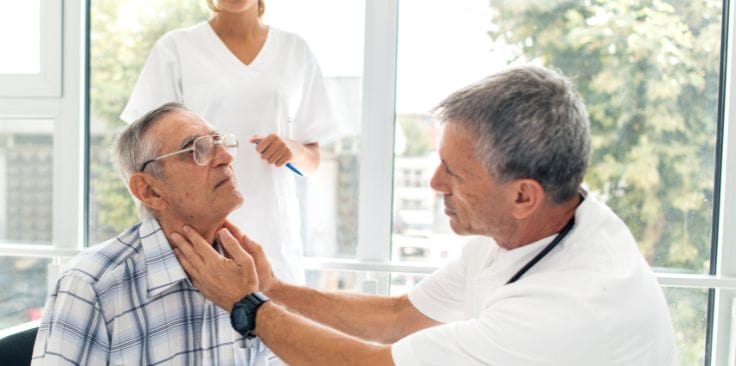
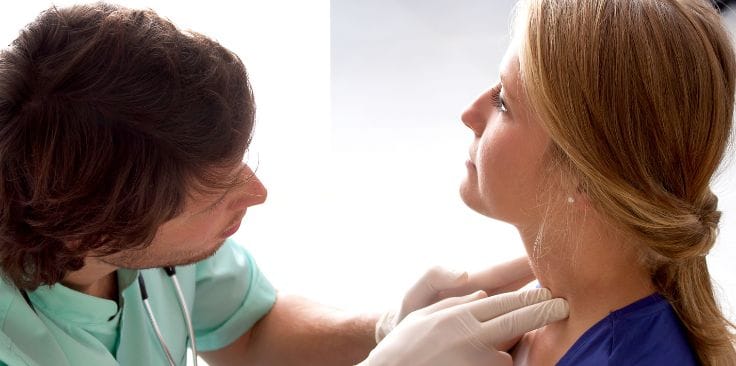
Most swelling tied to stress or a minor everyday cause settles within a couple of weeks. It is worth scheduling time with a physician if swelling lasts more than two to three weeks, if a node keeps growing instead of leveling off, if it feels firm rather than soft, if more than one area is affected, or if you notice fever or night sweats alongside it.
Supporting Your Body During Stressful Periods
A few daily habits do more for overall resilience than any single quick step. Consistent, quality sleep gives the immune system space to regulate itself properly. Regular movement, even light activity like walking, supports circulation and helps ease physical tension. Staying well hydrated supports the lymphatic system’s general flow. Building these into a routine, rather than reaching for them only during a stressful week, tends to make the biggest difference over time.
Small, repeatable stress management practices matter here too. A short walk outside, a few minutes of deep breathing between tasks, or a consistent bedtime routine can help regulate the stress response directly rather than only addressing its downstream effects. These habits are most effective when they are built in consistently, rather than saved for the weeks when stress already feels overwhelming.
How Supplements Can Support You During Stressful Periods
For those looking for extra everyday support, lymph system supplements are formulated to help support healthy lymphatic function as part of a broader daily wellness routine, alongside the sleep, movement, and hydration habits above. They are complementary, structure function support rather than a substitute for managing the stress itself. For a deeper look at the physiology behind this topic, the clinical connection between stress and lymph nodes covers the mechanism in more depth, and everyday habits that support your lymphatic system rounds out the daily wellness picture alongside a few practical home remedies for swollen lymph nodes.

Conclusion
Stress alone rarely causes swollen glands directly, and persistent or unusual swelling deserves a closer look regardless of how stressful your week has been. Managing stress as part of overall wellness, alongside sleep, movement, and hydration, supports the immune system’s ability to handle everyday exposures steadily.
There isn’t really one. “Swollen gland” is the everyday, colloquial way of describing what is functionally a swollen lymph node. The terms describe the same structure, just in more and less clinical language.
Anxiety works through similar hormonal pathways as other forms of stress, so the same pattern holds: it is rarely a standalone cause, but it can make an existing bit of swelling more noticeable.
Not usually in a way that is easy to tell apart on your own. Swelling from either cause tends to feel like a small, tender, movable bump. The bigger clue is usually the pattern around it, like whether fever or other symptoms are present.
Since the swelling usually reflects an underlying minor exposure rather than stress by itself, it tends to follow that exposure’s own timeline, often settling within one to two weeks.
A small amount of noticeable swelling during a demanding week is not unusual, especially if you are also fighting off a minor cold or allergy flare at the same time. Swelling that lingers well past the stressful stretch is the signal worth paying attention to.
Cleveland Clinic. (n.d.). Swollen glands: Why you get them and when to worry. Cleveland Clinic.
Cleveland Clinic. (n.d.). Stress sickness: Stress and your immune system. Cleveland Clinic.
Mayo Clinic. (n.d.). Swollen lymph nodes: Symptoms and causes. Mayo Clinic.
Popular Articles



Advertisement. This site offers health, wellness, fitness and nutritional information and is designed for educational purposes only. You should not rely on this information as a substitute for, nor does it replace, professional medical advice, diagnosis, or treatment. If you have any concerns or questions about your health, you should always consult with a physician or other health-care professional. Do not disregard, avoid or delay obtaining medical or health related advice from your health-care professional because of something you may have read on this site. The use of any information provided on this site is solely at your own risk.
Share: