
Can Dehydration Cause Swollen Lymph Nodes?
 Medically reviewed by our experts
 8 min read
  2 citations
Can dehydration cause swollen lymph nodes? Not directly. Dehydration is not a recognized medical cause of swollen lymph nodes, though staying hydrated does support healthy lymph flow. This article covers what the evidence actually shows, how hydration relates to the lymphatic system, and what really causes swollen lymph nodes.
Key Article Findings
- Dehydration is not an established medical cause of swollen lymph nodes. Mayo Clinic does not list it as a cause.
- Staying hydrated supports healthy lymph flow, but that is different from dehydration directly causing swelling.
- True swollen lymph nodes are almost always tied to infection or another underlying factor, not water intake alone.
The Short Answer: Can Dehydration Cause Swollen Lymph Nodes?
Plainly, no. Dehydration is not a recognized medical cause of swollen lymph nodes. According to Mayo Clinic, swollen lymph nodes are most often caused by infection. Usually viral, along with a smaller list of other established factors. Dehydration does not appear anywhere on that list. If you are noticing swelling and wondering whether not drinking enough water is the reason, the more likely explanation almost always points somewhere else. Typically toward a minor infection or another factor working in the background.
It is worth being direct about this because the idea shows up so often in wellness content that it can start to feel like established fact. A handful of lymphatic massage and wellness sites repeat the claim that dehydration causes swollen lymph nodes. However, repetition is not the same as evidence. Major medical references, including Mayo Clinic, describe swollen lymph nodes as a response to infection, ongoing immune activity, or in rarer cases, abnormal cell growth. Hydration status is simply not part of that picture. It is worth knowing that distinction before assuming your water intake is the explanation for swelling you are noticing.
How Hydration Relates to the Lymphatic System
Here is the real, evidence-based relationship. Lymph fluid is made up mostly of water, along with white blood cells and proteins that have filtered out of small blood vessels into the spaces between cells. Unlike blood, lymph fluid has no central pump moving it along. It depends on muscle movement, breathing, and adequate fluid volume to keep flowing smoothly. Staying well hydrated supports that flow as general wellness, the same way it supports countless other everyday body functions. This is meaningfully different from saying dehydration causes lymph nodes to swell. Supporting a system and causing a specific symptom are two separate claims, and only the first one holds up.
It helps to picture the difference this way. Hydration is one of several inputs, alongside movement and breathing, that keep the whole lymphatic system running smoothly in the background. A swollen lymph node, by contrast, is a specific, localized immune response to a specific trigger nearby. One is about general system function. The other is about a targeted defense reaction. Good hydration habits support the first without having much bearing on the second. This exactly why framing dehydration as a direct cause of swollen lymph nodes does not hold up against the way the system actually works.
Can Dehydration Cause Lymph Nodes to Swell Indirectly?
This is where a lot of the confusion online actually comes from. Several wellness and lymphatic massage sites suggest that dehydration thickens lymph fluid, slowing its movement and contributing to a kind of general “congestion.” There is a reasonable physical logic to this idea. Less fluid volume could plausibly make lymph move less efficiently. But slower fluid movement in general is not the same thing as a clinically swollen lymph node. It involves immune cells actively multiplying inside a specific node in response to a specific trigger, usually an infection. Feeling sluggish or puffy when you are underhydrated is a real, common experience. It is just not the same phenomenon as a tender, swollen node you can feel under your jaw or in your neck. Equating the two overstates what dehydration actually does.
Does Dehydration Cause Swollen Lymph Nodes in the Neck Specifically?
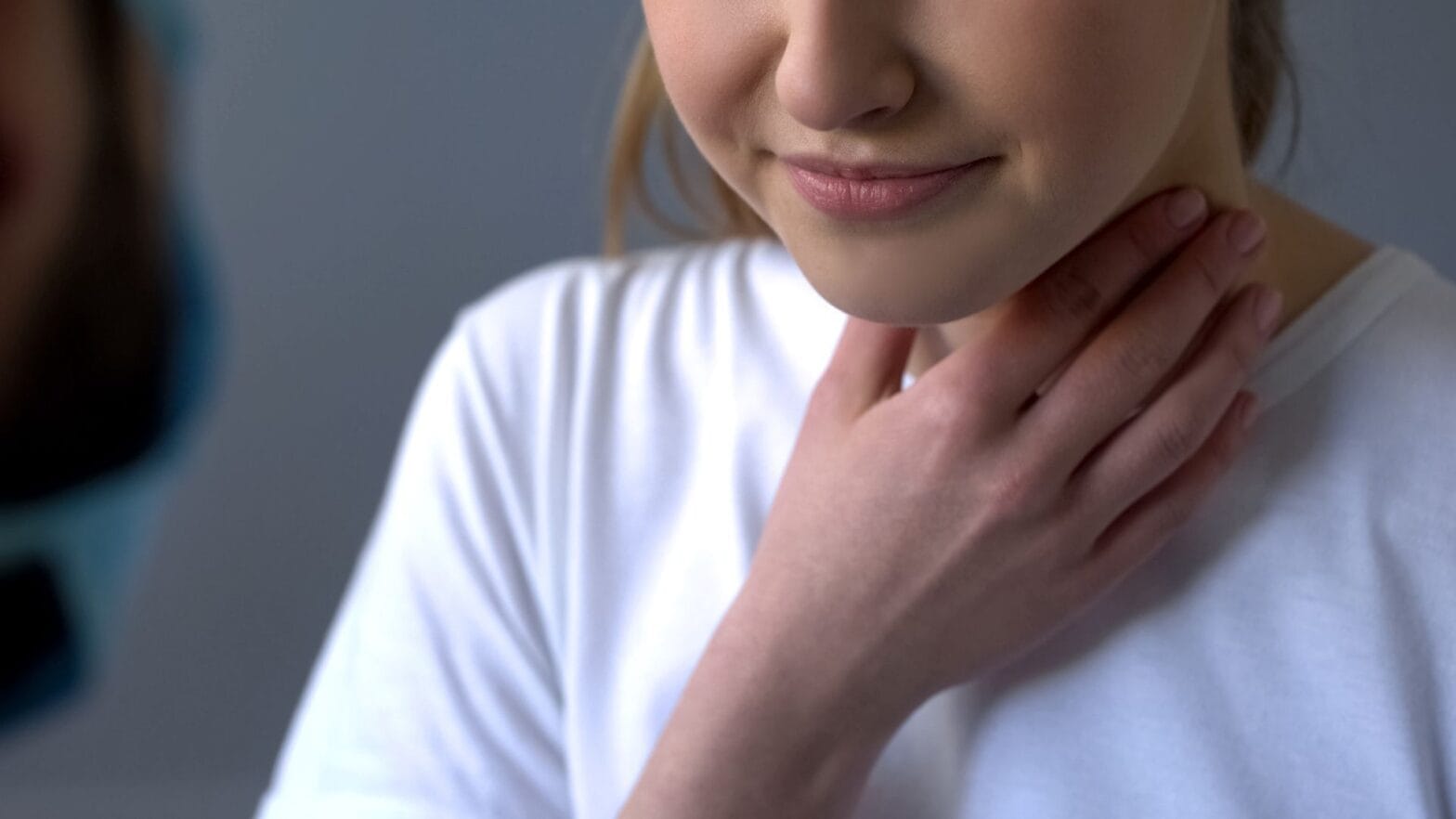
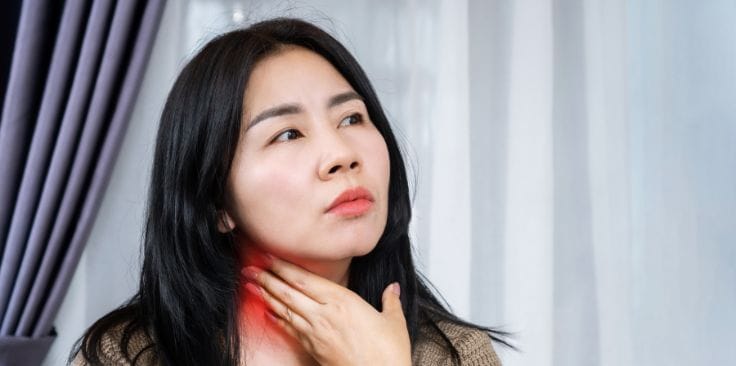
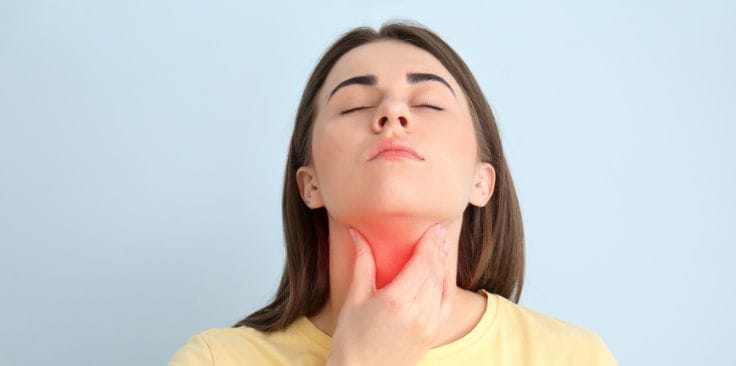
No, and dehydration does not have any special connection to the neck area. Cervical lymph nodes, the cluster under the jaw and along the neck, are simply the ones people notice most often, regardless of what is actually causing swelling. They sit close to the surface, they filter fluid from the throat, sinuses, and scalp, which are areas that pick up minor everyday exposures constantly, and they are easy to feel with your fingers. That combination is why neck swelling gets noticed first no matter the underlying cause, not because dehydration specifically targets that area.
If dehydration genuinely swelled lymph nodes, you would expect it to affect nodes throughout the body fairly evenly, since being underhydrated is a whole body state, not something localized to one region. The fact that neck nodes are the ones people typically notice, regardless of what is actually going on, points to anatomy and visibility as the real explanation, not a special relationship between water intake and that particular area.
What Actually Causes Swollen Lymph Nodes
The established causes of swollen lymph nodes fall into a few general categories. Infections, both viral and bacterial, are by far the most common trigger, since a node swells when immune cells multiply inside it to respond to something nearby. Ongoing immune system activity can also play a role, as can, in less common cases, abnormal cell growth. Everyday factors like stress and swollen lymph nodes or allergies and swollen lymph nodes are also worth a look, since both can shape how noticeable everyday swelling becomes, even though neither is usually the direct cause either. If you are trying to figure out what is actually behind swelling you are noticing, working through causes like these tends to be far more useful than looking at your water bottle.
When to See a Physician
Most swelling tied to a minor, everyday cause settles on its own within a couple of weeks. A few signs suggest it is worth checking in with a physician rather than waiting it out: swelling that lasts more than two weeks, nodes that feel hard or fixed in place, swelling that shows up in more than one area, or swelling paired with fever, night sweats, or unexplained weight loss. None of these signs mean something serious is happening, but they sit outside the pattern of ordinary, everyday swelling and are worth a proper look.
Staying Hydrated as Part of Lymphatic Wellness
Even though dehydration is not a direct cause of swollen lymph nodes, staying well hydrated is still a genuinely good habit for lymphatic wellness. Aiming for consistent water intake throughout the day, rather than large amounts all at once, tends to support steady fluid balance better than catching up after the fact. Pairing hydration with regular movement gives the lymphatic system the muscle contraction it needs to keep fluid moving, since water alone cannot do that job. Being mindful of sodium intake matters too, since a diet high in sodium can affect how the body manages fluid balance more broadly. You may also see hydration mentioned specifically in the context of lymphedema care, though that is a distinct, clinically recognized condition and separate from the everyday swelling this article covers.
How Supplements Can Support Your Lymphatic System
For those looking for extra everyday support, everyday lymphatic support supplements are formulated to help support healthy lymphatic function as part of a broader daily wellness routine, alongside the hydration and movement habits above. These are complementary, structure function support rather than a substitute for addressing an actual underlying cause of swelling. Building in everyday habits that support your lymphatic system alongside good hydration, and knowing a few home remedies for swollen lymph nodes for day to day comfort, rounds out a practical, well balanced approach.

Conclusion
To circle back to the original question, can dehydration cause swollen lymph nodes? The evidence says no, not directly, but staying hydrated is still good general practice for lymphatic health. If you notice persistent swelling, it is worth looking into other, more likely causes, and checking in with a physician if any red flags appear.
General hydration guidance applies here, since the lymphatic system benefits from the same steady water intake that supports the rest of the body. There is no special amount specific to lymphatic health beyond typical daily hydration recommendations.
Interestingly, dehydration is more often linked to the body holding onto fluid as a protective response, which can show up as mild, general puffiness, rather than the localized swelling associated with a reactive lymph node.
Staying hydrated supports overall wellness and lymphatic flow, but it will not directly reduce swelling caused by an underlying infection or other factor. The swelling generally follows the timeline of whatever is actually causing it.
There is no strong evidence that dehydration specifically worsens existing swelling, though feeling generally run down from being underhydrated could make any symptom feel more noticeable in the moment.
Steady, consistent water intake throughout the day works better than trying to rehydrate quickly all at once. If lymphatic health specifically is a concern, pairing hydration with regular movement is more useful than focusing on water alone.
Mayo Clinic. (2025). Swollen lymph nodes: Symptoms and causes. Mayo Clinic.
Cleveland Clinic. (2025). How to perform a lymphatic drainage self-massage. Cleveland Clinic.
Popular Articles



Advertisement. This site offers health, wellness, fitness and nutritional information and is designed for educational purposes only. You should not rely on this information as a substitute for, nor does it replace, professional medical advice, diagnosis, or treatment. If you have any concerns or questions about your health, you should always consult with a physician or other health-care professional. Do not disregard, avoid or delay obtaining medical or health related advice from your health-care professional because of something you may have read on this site. The use of any information provided on this site is solely at your own risk.
Share: