
Can Stress Cause Swollen Lymph Nodes?
 Medically reviewed by our experts
 8 min read
  3 citations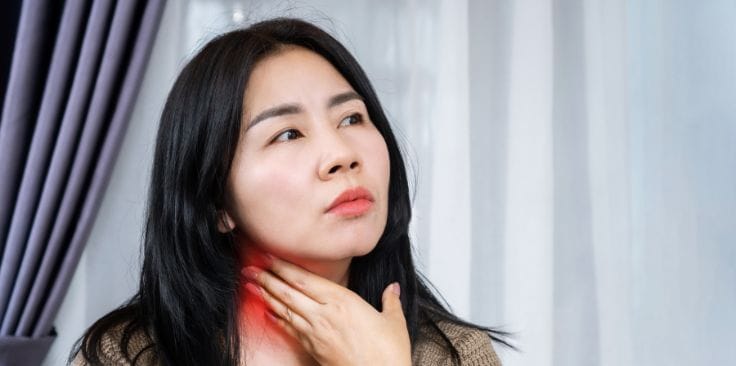
Can stress cause swollen lymph nodes? Not usually on its own, but stress can shape how your immune system responds in ways that make lymph node changes more noticeable. This article covers what actually happens, when swelling in the neck needs a closer look, and how to support your body during stressful periods.
Key Takeaways
- Stress alone rarely causes swollen lymph nodes directly, but it can affect immune function.
- Ongoing stress may make you more sensitive to other factors that do cause lymph node swelling.
- Swelling lasting more than two to three weeks, or paired with fever or weight loss, is worth a physician’s look.
What Are Lymph Nodes?
Lymph nodes are small, bean shaped filtration structures found throughout the body, with clusters in the neck, armpits, and groin. The body has hundreds of them in total, forming a network that runs alongside blood vessels. They work as checkpoints for the lymphatic system, screening lymph fluid for bacteria, viruses, and other particles the immune system needs to address before that fluid rejoins general circulation. When they detect something worth responding to, immune cells multiply inside the node, and that buildup is what makes it feel swollen or tender. Most of the time, this process happens quietly in the background, and a node only becomes noticeable when the response inside it is significant enough to change its size.
How Does Stress Affect the Body?
Stress triggers a cascade of physical changes: heart rate rises, muscles tense, and the body releases stress hormones like cortisol. In short bursts, cortisol actually helps limit inflammation and can be protective, part of the body’s normal, healthy response to a short term challenge. Over longer stretches, though, the body can grow used to elevated cortisol, and that shift opens the door to more inflammation rather than less. Chronic stress has also been linked to lower activity among certain white blood cells, which can leave the immune system less coordinated in how it responds to everyday exposures. Sleep quality, appetite, and energy levels often shift during prolonged stress too, and each of those changes can compound the effect on overall immune function, even though none of them are swelling a lymph node directly.
Can Stress Cause Lymph Node Swelling?
Stress does not directly swell lymph nodes the way an active infection does. What it can do is shift how the immune system operates over time. Elevated cortisol tends to promote the movement of certain immune cells toward lymph nodes and other lymphoid tissue, where they sit ready in case of infection. Combined with the added inflammation that comes with chronic stress, this can make nodes that are already mildly reactive, from a minor cold or a small skin irritation, feel more tender or noticeable than they otherwise would.
This is a useful distinction to hold onto: stress changes the environment the immune system is operating in, but it is not itself the trigger that makes a node swell. Two people dealing with the exact same minor cold might notice very different degrees of node tenderness depending on how much background stress each of them is carrying at the time, simply because one immune system is working from a more taxed baseline than the other.
Can Stress Cause Enlarged Lymph Nodes in the Neck?
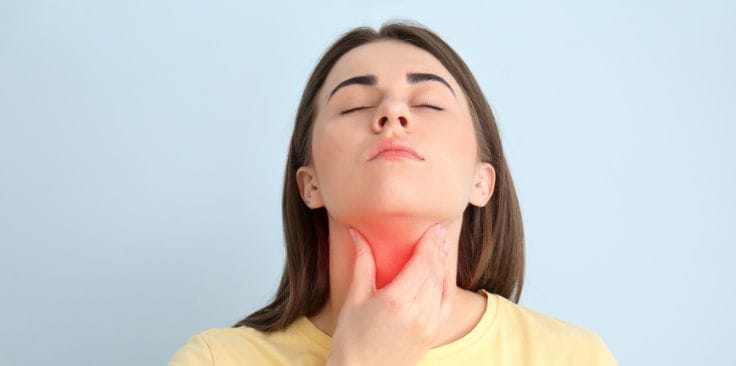
Cervical lymph nodes, the ones along the neck and under the jaw, are the group most people notice first, largely because of where they sit. They filter fluid from the throat, sinuses, and scalp, areas that pick up minor everyday exposures constantly. If chronic stress is already shifting immune activity in the background, a stressful stretch layered on top of one of those everyday exposures is often when neck swelling becomes noticeable, even though stress itself is rarely the sole cause.
Many people notice this pattern during particularly demanding stretches, a busy work deadline, a period of poor sleep, or a stretch of travel, when a minor cold or sore throat that might otherwise pass unnoticed suddenly feels more pronounced. The timing can make it feel like stress caused the swelling outright, when what more likely happened is that stress made an already present, minor immune response easier to notice.
Other Common Causes of Swollen Lymph Nodes
Stress is rarely acting alone. Other everyday factors that commonly play a role include:
- Upper respiratory irritation, including colds and seasonal congestion.
- Minor scrapes, cuts, or skin irritation near a node cluster.
- Seasonal shifts that bring more airborne irritants into daily life.
- Temporary immune responses to routine exposures the body handles and moves past quickly.
- Recent dental work or minor gum irritation, which can affect nodes along the jawline specifically.
Recognizing that these everyday factors are usually the actual driver, with stress acting as a background influence rather than the headline cause, can make the whole picture feel less alarming. Most of the time, a combination of a minor, ordinary trigger and a demanding week is the full explanation.
Symptoms of Swollen Lymph Nodes to Watch For
A few physical signs tend to show up together when a node is reacting:
- A small, pea sized bump you can feel under the skin.
- Tenderness or mild soreness when you press on the area.
- A feeling of warmth in the skin directly over the node.
- Gradual changes in size over several days rather than an abrupt jump.
- A soft, movable feel under gentle pressure, which is typical of the kind of everyday swelling this article covers.
These signs usually appear together rather than in isolation, and most ease gradually as whatever triggered them, a minor cold, a small skin irritation, or a demanding week, settles down on its own.
When to See a Physician
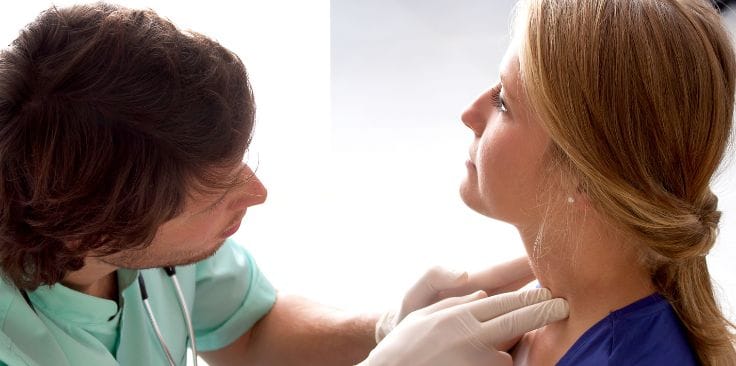
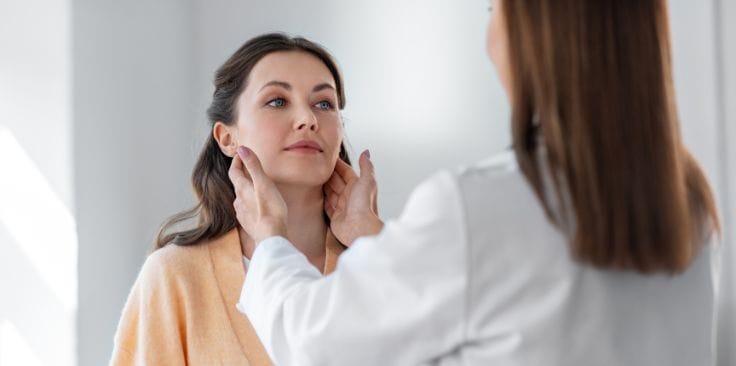
Most swelling tied to everyday stress or a minor irritation settles on its own within a couple of weeks. A physician’s evaluation is worth scheduling if swelling lasts more than two to three weeks, if a node keeps growing rather than leveling off, if it feels firm or fixed rather than soft and movable, if more than one area is affected at once, or if it comes with unexpected weight changes.
Keeping a simple note of when swelling first appeared and how it has changed since can make that conversation more productive. A physician evaluating swollen lymph nodes will typically ask about timeline, associated symptoms, and any recent illness, travel, or exposure, so having those details ready ahead of time tends to make the visit more efficient.
Supporting Your Body During Stressful Periods
Everyday habits matter more than any single quick step during a stressful stretch. Prioritizing consistent sleep gives the immune system time to regulate itself. Regular movement, even short walks, helps circulation and can take the edge off the physical tension stress creates. Staying well hydrated supports overall lymphatic flow and general wellness. None of these habits work instantly, but together they build a foundation that helps the body handle stress more steadily over time.
Simple stress reduction practices, a few minutes of deep breathing, stepping outside for fresh air during a busy day, or setting a consistent wind down routine before bed, can also help regulate the stress response itself rather than just managing its downstream effects. Small, repeatable habits tend to be more sustainable than occasional, intense efforts, particularly during the stretches when stress is highest and time feels shortest.
How Supplements Can Support You During Stressful Periods
For those looking for extra everyday support, supplements for lymphatic health are formulated to help support healthy lymphatic function as part of a broader daily wellness routine, alongside the sleep, movement, and hydration habits above. These are complementary, structure function support rather than a stand in for addressing the stress itself. Building in everyday habits that support your lymphatic system alongside stress management, and knowing a few home remedies for swollen lymph nodes for day to day comfort, rounds out a practical approach. If allergies and swollen lymph nodes is also a pattern you notice, that piece walks through the seasonal side of the same picture.

Conclusion
Stress alone rarely swells lymph nodes directly, but chronic stress can shape immune function in ways worth paying attention to, particularly when it is layered on top of another everyday exposure. Monitor persistent or unusual swelling, and approach stress management as part of overall wellness rather than an afterthought.
Staying well hydrated supports general lymphatic flow and overall wellness, though it is not a targeted response to swelling on its own. It works best as part of a broader set of daily habits.
Gently checking a node for tenderness or size is generally fine, but repeated poking or pressing is not necessary and will not speed anything along. If a node is painful to the touch, that is useful information to share with a physician.
An awkward sleeping position on its own is unlikely to cause true lymph node swelling, though poor sleep quality over time can affect immune function in ways similar to chronic stress.
Since the swelling usually reflects an underlying minor exposure rather than stress by itself, it tends to follow that exposure’s timeline, often settling within one to two weeks as the immune response calms on its own.
Anxiety and stress affect the body through similar hormonal pathways, so the same pattern applies: it is rarely a direct, standalone cause, but it can make existing swelling more noticeable or the immune system less steady over time.
Merck Manual Consumer Version. (n.d.). Swollen lymph nodes. Merck Manuals.
Cleveland Clinic. (n.d.). Stress sickness: Stress and your immune system. Cleveland Clinic.
Mayo Clinic. (n.d.). Swollen lymph nodes: Symptoms and causes. Mayo Clinic.
Popular Articles



Advertisement. This site offers health, wellness, fitness and nutritional information and is designed for educational purposes only. You should not rely on this information as a substitute for, nor does it replace, professional medical advice, diagnosis, or treatment. If you have any concerns or questions about your health, you should always consult with a physician or other health-care professional. Do not disregard, avoid or delay obtaining medical or health related advice from your health-care professional because of something you may have read on this site. The use of any information provided on this site is solely at your own risk.
Share: