
Are Eggs Bad for Lymphatic System?
 Medically reviewed by our experts
 6 min read
  4 citations
Are eggs bad for lymphatic system health? Not for most people. Direct evidence of harm in humans is limited, and eggs provide protein, choline, and moderate fat that the body processes as routine, not as a burden on lymphatic function.
The concern usually traces back to one narrow animal study, not everyday egg consumption. This article covers what the research actually shows, why that study doesn’t translate to a typical diet, and who should genuinely be more cautious with eggs.
Key Article Findings
- Eggs are not established as harmful to the lymphatic system in typical amounts.
- The animal study behind the concern used isolated egg white protein at levels far beyond normal egg consumption.
- People with an egg allergy, not the general population, are the group who may see a lymph-adjacent reaction.
- Overall diet pattern matters more than any single food, including eggs.
Do Eggs Harm the Lymphatic System?
Do eggs really harm the lymphatic system in typical amounts? The evidence doesn’t support that. The lymphatic system absorbs dietary fat through structures called lacteals, small vessels lining the small intestine that package fat into particles called chylomicrons.
Eggs contain a moderate, mixed amount of fat, nowhere near the concentrated load the lymphatic system routinely handles from a typical fat-containing meal.
What the Lymphatic System Does With Dietary Fat
- Lacteals in the small intestine absorb dietary fat and package it into chylomicrons.
- Chylomicrons travel through the lymphatic system before entering the bloodstream, a routine part of digesting any fat-containing food.
The Study Behind the Myth
The concern about eggs and the lymphatic system traces back to a laboratory study using isolated egg white protein fed to rats at levels far beyond what a person eating whole eggs would consume, closer to a fifth of total caloric intake as pure protein.
Under those extreme conditions, researchers observed reduced lymphatic transport of dietary fat. That result doesn’t translate to someone eating one or two whole eggs as part of a varied diet, where the ratio of protein, fat, and everything else looks nothing like the study’s setup.
What Eggs Actually Provide
Whole eggs bring several nutrients that support the body well beyond any lymphatic concern, including choline, a nutrient many diets fall short on.
| Nutrient | Amount Per Egg | Role in the Body |
| Protein | ~6 grams | Supports tissue repair and immune function |
| Choline | ~147 mg | Supports cell membrane structure and liver function |
| Vitamin D | ~41 IU | Supports bone and immune health |
| Vitamin A | ~80 mcg | Supports vision and skin health |
Can Eggs Cause Lymphatic Congestion?
Can eggs cause lymphatic congestion on their own? Typical consumption doesn’t support that. The underlying question, are eggs bad for lymphatic system function specifically because of congestion, comes back to the same answer.
Lymphatic congestion is more closely tied to overall diet pattern, one heavy in processed foods, excess sodium, and minimal movement, than to any single food like eggs.
Eggs eaten as part of a varied diet aren’t a meaningful contributor to that broader pattern.
When Egg Allergies Are the Real Factor
When egg allergies are the real factor, the picture changes. For someone with a confirmed egg allergy, the immune system reacts to specific egg proteins, and that reaction can bring on hives, digestive symptoms, or nasal congestion, according to Mayo Clinic.
That’s an allergy-driven inflammatory response, not a lymphatic-system reaction to eggs themselves, and it’s specific to the smaller group of people with a confirmed sensitivity, not something the general population needs to plan around.
How Eggs Compare to Other Protein Sources
Placed next to other common protein sources, eggs hold up reasonably well for most people.
| Protein Source | Fat Type | General Consideration |
| Eggs | Moderate, mixed | Well-tolerated in typical amounts for most people |
| Processed meats | High saturated fat | Higher sodium and preservative content |
| Full-fat dairy | Moderate saturated fat | Can be a concern for those with dairy sensitivity |
| Legumes | Low fat | High fiber, plant-based alternative |
Supporting Lymphatic System Beyond Diet
Diet is one piece of lymphatic health, but daily movement and hydration carry real weight too. Lymphatic fluid doesn’t have its own pump the way blood does, so it relies on muscle movement and breathing to keep circulating.
Staying well-hydrated keeps that fluid moving efficiently, while regular activity, even walking, helps ease the sluggish buildup people associate with stress and lymph node swelling and other everyday lymphatic strain. A look at everyday habits that support your lymphatic system can help round out a daily routine, alongside home remedies for swollen lymph nodes for anyone dealing with occasional swelling.
Supplement Support for Lymphatic System
Movement and hydration are the foundation, but many people layer in daily supplement support as well. That’s where a formulated collection can round out the basics.
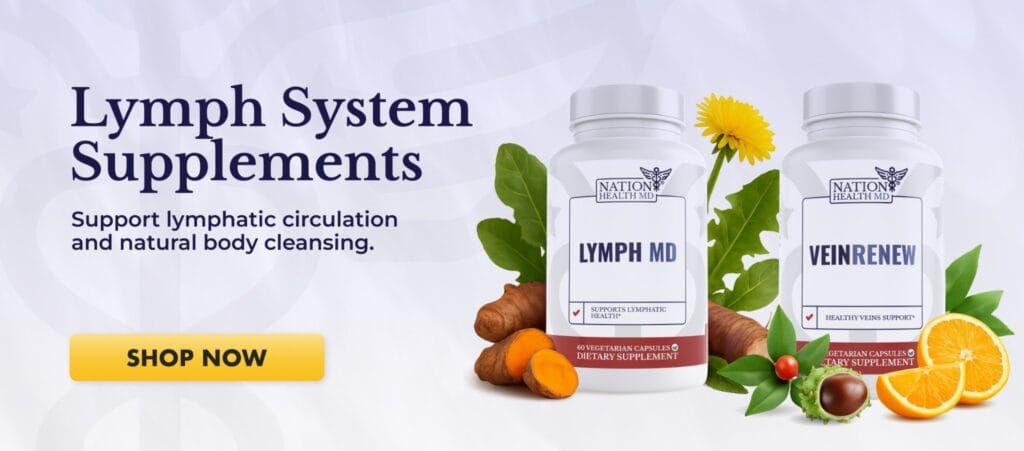
Lymphatic Health Supplements
Our Lymphatic Health Supplements collection is formulated with traditional botanicals to help support healthy fluid balance and the body’s natural drainage pathways.
- Targeted Fluid Balance: Rutin and Dandelion are traditionally used to help maintain healthy fluid balance and support the body’s natural drainage pathways.
- Circulatory & Tissue Support: Echinacea and Bromelain round out the formula, chosen for their traditional use in supporting circulation and everyday tissue comfort.
- Pure & Clean: Formulated without unnecessary fillers, so you’re supporting your system without adding to its workload.
The Bottom Line on Eggs and Lymphatic Health
So, are eggs bad for lymphatic system health? Not for most people. The study behind the concern used conditions that don’t reflect a typical diet, and everyday egg consumption fits well within what the lymphatic system routinely handles.
Egg allergy, not eggs themselves, is the factor worth watching for the smaller group it actually affects. For everyone else, a varied diet alongside steady hydration and movement does more for lymphatic health than avoiding eggs ever would.
Highly processed foods, foods heavy in added sodium, and fried foods are more commonly linked to sluggish lymphatic drainage than whole foods like eggs, largely because they contribute to overall inflammation and fluid retention.
Most people managing lymphedema can include eggs as part of a balanced diet. Since individual triggers vary, it’s worth discussing your specific diet with a physician familiar with your condition.
Whole eggs, including the yolk, provide a more complete nutrient profile, choline and vitamins A and D are concentrated in the yolk. Egg whites alone offer protein without those additional nutrients.
There’s no universal number that fits everyone, and typical amounts vary by overall diet and health goals. Most healthy adults can fit eggs into a varied weekly diet without concern for lymphatic health specifically.
Cooking method mainly affects added fat and calories, not the core nutrient profile. Poaching or boiling keeps eggs leaner, while frying in butter or oil adds extra fat that has nothing to do with the egg itself.
Merck Manual Professional Version. (2026). Overview of the Lymphatic System
Merck Manual Professional Version. (2026). Overview of Malabsorption
Mayo Clinic. (2025, August 11). Egg allergy – Symptoms & causes.
Healthline. (n.d.). Choline: Health benefits and food sources.
Popular Articles



Advertisement. This site offers health, wellness, fitness and nutritional information and is designed for educational purposes only. You should not rely on this information as a substitute for, nor does it replace, professional medical advice, diagnosis, or treatment. If you have any concerns or questions about your health, you should always consult with a physician or other health-care professional. Do not disregard, avoid or delay obtaining medical or health related advice from your health-care professional because of something you may have read on this site. The use of any information provided on this site is solely at your own risk.
Share: