
Can Allergies Cause Swollen Lymph Nodes?
 Medically reviewed by our experts
 9 min read
  6 citations
Can allergies cause swollen lymph nodes? On their own, rarely, the swelling most people notice during allergy season usually points to a secondary sinus or viral infection that allergies made more likely, not to the allergic reaction itself. Lymph nodes are the small, bean-shaped stations that filter fluid and trap harmful particles as part of your immune defense, and they swell when the immune system ramps up to fight something off.
Because allergy symptoms and infection symptoms overlap so much, congestion, a scratchy throat, general fatigue, it’s easy to blame one for the other. Here’s how to tell the difference, and when swelling is worth a closer look.
Key Article Findings
- Allergies rarely cause lymph node swelling directly.
- Swelling during allergy season usually signals a secondary sinus or viral infection, most noticeable in the neck.
- Swelling on one side, or lasting more than two weeks, points away from allergies and toward something worth a physician’s look
Do Allergies Directly Trigger Swollen Lymph Nodes?
Can allergies cause swollen lymph nodes the same way an infection does? Not usually. Allergies themselves don’t typically swell your lymph nodes on their own. An allergic reaction runs on a different mechanism than the one that makes lymph nodes enlarge.
When you’re exposed to pollen, dust, or pet dander, your immune system releases histamine, which widens blood vessels and irritates local tissue, that’s what produces the sneezing, itchy eyes, and congestion associated with allergies. Lymph node swelling, by contrast, comes from an immune-cell buildup inside the node itself, as it works to filter out infectious material.
According to Mayo Clinic, the most common cause of swollen lymph nodes is an infection, usually viral, not an allergic response. So while allergies can absolutely make you miserable, they aren’t usually the direct reason your neck feels tender or swollen.
How Immune System Responds to Allergens vs. Infections
Lymph nodes are small, bean-shaped structures scattered throughout the body, in the neck, armpits, groin, and elsewhere, that filter lymphatic fluid and trap bacteria, viruses, and other particles your immune system needs to deal with. Understanding what happens during an allergic reaction versus an infection helps explain why the two get confused so often.
What Allergies Do in the Body
When your immune system misidentifies a harmless substance, like pollen or mold, as a threat, it releases histamine from mast cells. Histamine causes the classic allergy symptoms: sneezing, watery or itchy eyes, nasal congestion, and sometimes an itchy throat. This response is fast, local, and centered on the tissues that came into contact with the allergen, it isn’t, on its own, the kind of process that causes lymph nodes to swell.
What Lymph Nodes Actually Do
Lymph nodes act as filtration checkpoints for the lymphatic system. As lymph fluid passes through, white blood cells inside the node screen it for bacteria, viruses, and abnormal cells. When a node detects an active infection nearby, immune cells multiply inside it to mount a response, and that buildup is what causes the node to feel swollen or tender. This is a response to infection specifically, which is why swollen lymph nodes are more closely tied to colds, sinus infections, or strep throat than to allergies alone.
Link Between Allergies and Swollen Lymph Nodes
Here’s where the connection actually happens. Allergies that go unmanaged keep the nasal passages and sinuses inflamed for days or weeks at a time. That ongoing inflammation narrows the sinus passages and disrupts normal drainage, which creates a favorable environment for bacteria or viruses to take hold.
The result is often a secondary sinus infection or upper respiratory infection, and it’s that infection, not the allergy itself, that triggers the immune response inside nearby lymph nodes and causes them to swell. In other words, allergies set the stage, but an infection is usually what raises the curtain on swollen glands.
This indirect pathway is the real answer to why allergies can cause swollen lymph nodes for so many people every season. The same pattern shows up with other allergic conditions, too, for example, allergic asthma can raise similar questions about chest-area lymph node swelling.
Can Seasonal Allergies Cause Swollen Lymph Nodes in the Neck?
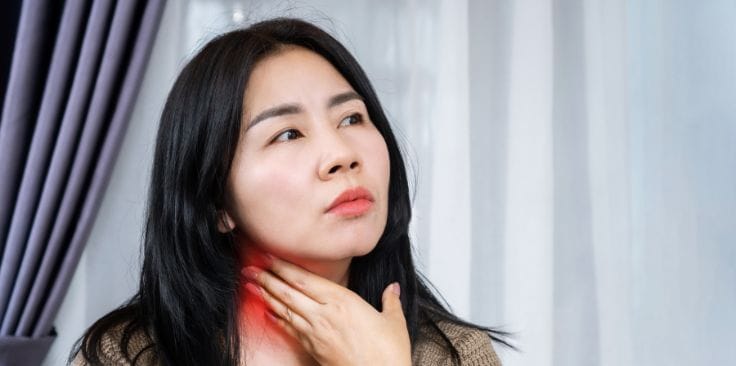
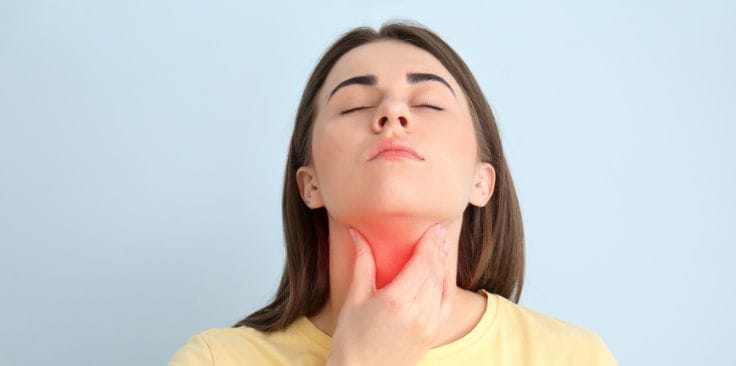
Can seasonal allergies cause swollen lymph nodes in the neck specifically? When swelling does show up, the neck is where people notice it most, and there’s a clear anatomical reason for that. Cervical lymph nodes, located along the neck and under the jaw, sit closest to the sinuses, nasal passages, and throat.
When a secondary infection develops from prolonged allergy inflammation, these are the first nodes to respond, since they’re filtering fluid from the exact area under siege. That’s why neck swelling gets linked to allergy season so often, even though the allergy itself isn’t the direct trigger.
Can Allergies Cause Swollen Lymph Nodes on One Side?
This is one of the more telling clues. Allergen exposure, whether from pollen, dust, or pet dander, affects the body broadly and evenly on both sides. It doesn’t have a reason to swell a lymph node on just the left or just the right.
So if you’re noticing one-sided, or unilateral, swelling, it usually isn’t an allergy pattern at all. It’s more likely to point toward something localized: an ear infection, a dental or gum issue, or a skin infection near that particular node. Because one-sided swelling suggests a specific, localized cause rather than a broad allergic response, it’s worth having a physician take a look, regardless of what you suspect is behind it.
Allergies vs. Infection: How to Tell the Difference
The two conditions overlap in a few symptoms but diverge in most others, which makes a side-by-side comparison the fastest way to sort out which one you’re likely dealing with.
| Symptom | Allergies | Infection |
| Fever | Rare | Common |
| Swollen lymph nodes | Uncommon (usually secondary) | Common |
| Itchy eyes | Common | Uncommon |
| Nasal discharge | Usually thin and clear | Often thick, yellow, or green |
| Duration | Persists while exposed to trigger; can last weeks to months | Typically clears up within 1–2 weeks |
| Sore throat | Mild, from postnasal drip | Often more pronounced, sometimes with pain on swallowing |
When to See a Physician for Swollen Lymph Nodes
Most swelling tied to a minor infection settles down on its own within a couple of weeks. A few signs suggest it’s time to check in with a physician rather than wait it out: swelling that lasts more than two weeks, nodes that feel hard, fixed in place, or don’t move when pressed, swelling that shows up in more than one area of the body, or swelling accompanied by fever, night sweats, or unexplained weight loss.
None of these symptoms mean something serious is definitely happening, but they’re outside the pattern of ordinary allergy-related irritation and are worth a proper evaluation. As always, consult your physician if you notice any of these red flags.
Supporting Your Body During Allergy Season
Since allergies can cause swollen lymph nodes indirectly by fueling a secondary infection, cutting off that infection risk early is the most useful thing you can do. Limiting exposure to known allergens, keeping windows closed on high-pollen days, changing clothes after being outside, using an air purifier indoors, reduces the ongoing inflammation that can set the stage for infection.
Staying well-hydrated helps keep mucus thin and moving, rather than settling and providing an opening for bacteria. Saline rinses can help clear allergens and irritants from the nasal passages before they cause lasting inflammation.
It’s also worth keeping stress in check, since stress can affect immune function in ways that overlap with allergy season, and pairing these habits with a few simple home approaches or a broader look at how to support your lymphatic system year-round can go a long way.
Supplement Support During Allergy Season
Lifestyle habits like the ones above are the foundation, but allergy season puts extra demand on both your lymphatic system and your broader immune defenses. That’s where a bit of daily biochemical support can round out the basics.
Lymphatic Health Supplements & Vitamins
Our Lymphatic Health Supplements & Vitamins collection is formulated with traditional botanicals to help support healthy fluid balance and the body’s natural drainage pathways during allergy season.
- Targeted Fluid Balance: Rutin and Dandelion are traditionally used to help maintain healthy fluid balance and support the body’s natural drainage pathways.
- Circulatory & Tissue Support: Echinacea and Bromelain round out the formula, chosen for their traditional use in supporting circulation and everyday tissue comfort.
- Pure & Clean: Formulated without unnecessary fillers, so you’re supporting your system without adding to its workload.

The Bottom Line on Allergies and Swollen Lymph Nodes
So, can allergies cause swollen lymph nodes on their own? Rarely, the histamine response behind sneezing and itchy eyes is a different process than the immune buildup that makes a node tender. When swelling does show up during allergy season, a secondary sinus or viral infection is usually the real cause, and cervical nodes in the neck tend to be the most noticeable.
One-sided swelling doesn’t fit the allergy pattern and is worth having checked. In the meantime, allergen avoidance, hydration, and saline rinses can help support your sinuses and lower the odds of a downstream infection
Swollen lymph nodes often feel like small, tender lumps under the skin, commonly in the neck, jaw, armpits, groin, or behind the ear. They may be soft and movable (typical with a minor infection) or firmer, depending on the cause.
Food allergies work through the same histamine-driven process as environmental allergies, so they aren’t a typical direct cause of lymph node swelling either. If swelling does appear alongside a food reaction, it’s worth having a physician evaluate it.
They can feel tender or sore to the touch, especially early in an infection, though the degree of discomfort varies from person to person.
Since the swelling is usually tied to a secondary infection rather than the allergy itself, it tends to follow the infection’s timeline, often improving within one to two weeks as the underlying infection clears.
Yes, this is the most common indirect pathway. Ongoing sinus inflammation from allergies creates conditions for a secondary infection, and it’s that infection that typically triggers swelling in nearby lymph nodes.
Mayo Clinic. (2024, January 10). Swollen lymph nodes – Symptoms and causes.
Healthline. (n.d.). What is histamine and what is its role in the body?
Merck Manual Professional Version. (n.d.). Overview of the lymphatic system.
Merck Manual Professional Version. (n.d.). Lymphadenopathy.
Cleveland Clinic. (n.d.). Swollen lymph nodes (lymphadenopathy, adenopathy): Symptoms & causes.
Popular Articles



Advertisement. This site offers health, wellness, fitness and nutritional information and is designed for educational purposes only. You should not rely on this information as a substitute for, nor does it replace, professional medical advice, diagnosis, or treatment. If you have any concerns or questions about your health, you should always consult with a physician or other health-care professional. Do not disregard, avoid or delay obtaining medical or health related advice from your health-care professional because of something you may have read on this site. The use of any information provided on this site is solely at your own risk.
Share: