Milk Thistle Dosage: How Much Per Day Is Right for You?
 Medically reviewed by our experts
 6 min read
 7 citations

Wondering how much milk thistle per day is optimal? Milk thistle, a natural supplement derived from the seeds of the Silybum marianum plant, has gained popularity for its role in supporting overall wellness and cellular health. Traditionally, it has been valued for its ability to promote vitality and balance in the body. This guide will explore recommended milk thistle dosages and factors that can influence its effectiveness.
Key Article Findings
- Milk thistle dosage varies between 150–420 mg of silymarin per day
- Choosing high-quality supplements, like Liver Renew by Nation Health MD, ensures better absorption and optimal support for cellular and liver health.
- Consistency and professional guidance ensure effective, long-term results.
What Is Milk Thistle?
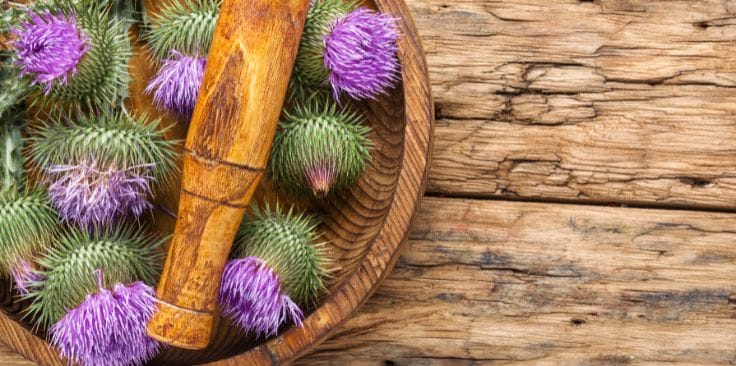
Milk thistle is a natural herb derived from the Silybum marianum plant, valued for its silymarin content – a compound known to promote cellular health and support the body’s natural filtration processes. Traditionally used in wellness practices for centuries, milk thistle is now widely appreciated for its potential to maintain overall vitality and well-being.
Recommended Milk Thistle Dosage Per Day
Wondering how much milk thistle should I take a day? A typical daily dosage ranges from 200 to 420 mg of silymarin, depending on individual needs and health goals. However, dosage can vary based on the supplement form, concentration, and intended use.
For general wellness, lower doses, such as 280 mg daily, may be sufficient to support cellular repair and maintain overall vitality. Higher doses, up to 420 mg per day, are often used for those looking to augment their body’s filtration processes or promote resilience against oxidative stress.
However, it’s essential to follow the dosage recommendations provided on your specific milk thistle product. These guidelines are tailored to the concentration of silymarin in the formulation, ensuring optimal benefits. For personalized advice, consulting with a healthcare professional can help determine what works best for your needs.
When considering how much milk thistle should I take daily, remember that consistency is key. Milk thistle supplements are typically taken once or twice daily with meals. By staying within the recommended ranges, you can support your wellness journey with this highly regarded herb.
Factors Influencing Milk Thistle Dosage
How much milk thistle per day you should take depends on several personal factors. Dosage requirements can vary based on age, weight, and individual wellness goals. Understanding these factors can help you to understand how much milk thistle should I take a day.
Here are key factors that may influence your ideal dosage:
- Age – Older individuals may benefit from adjusted dosages to align with their unique wellness needs.
- Weight – Body weight can impact how the body absorbs and utilizes milk thistle, with larger individuals potentially requiring a higher dosage.
- Wellness Goals – Lower doses are typically sufficient for general maintenance, while higher doses may better support cellular health and the body’s natural filtration functions.
- Supplement Formulation – The concentration of silymarin in your supplement impacts the required dosage, so it’s essential to follow product-specific recommendations.
- Dietary and Lifestyle Factors – A balanced diet and overall health routine may enhance the effectiveness of milk thistle, allowing for adjusted dosages.
Each of these factors ensures the dosage aligns with your needs, helping you maintain vitality and promote overall wellness.
Why Quality Matters in Milk Thistle Supplements
The quality of your milk thistle supplement directly impacts its absorption and effectiveness. High-quality supplements are carefully formulated to provide optimal concentrations of silymarin, ensuring they support your wellness goals efficiently. Choosing a reputable product guarantees purity, potency, and bioavailability, allowing you to experience the full benefits of this natural herb.
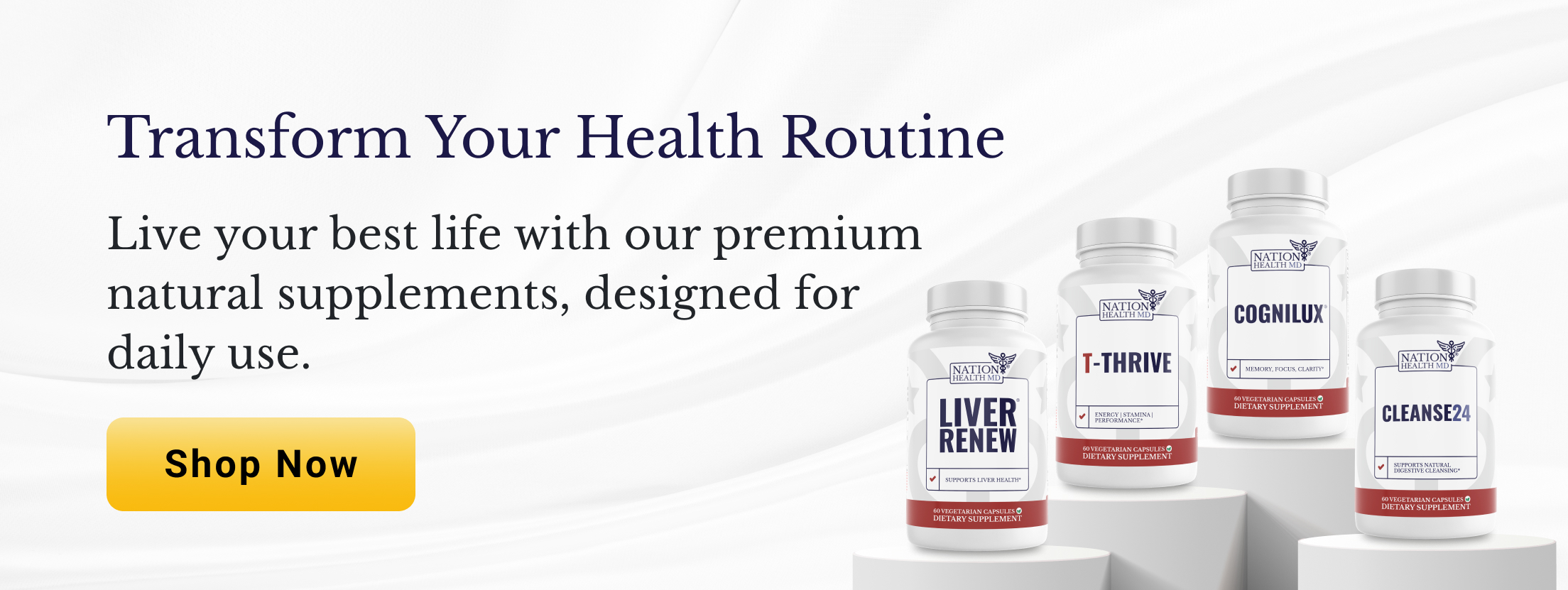
For an excellent option, consider Liver Renew by Nation Health MD. Endorsed by Lisa King, RPh, this premium formula includes milk thistle alongside complementary ingredients like black pepper and dandelion to support optimal liver function. It promotes energy and vitality while assisting your body’s natural filtration processes. The blend of nine potent, evidence-backed botanicals in Liver Renew is designed to revitalize your energy, maintain digestion, and contribute to overall wellness.
Tips for Taking Milk Thistle Consistently and Safely
Reading the label is the most reliable starting point. Milk thistle products are made in different ways, and the amount of silymarin in each serving can vary from one brand to another. Compare the serving size and the silymarin amount listed on the Supplement Facts panel instead of relying on the capsule size alone. If a label says “milk thistle extract,” check whether it is standardized to a specific percentage of silymarin, because that tells you more about what each serving contains than the milligrams of raw seed powder do.
Many people find it easier to stay consistent by taking their supplement at the same time each day, often with a meal. Taking it with food can also be helpful if you notice mild stomach upset. Milk thistle is generally well tolerated, but some people report digestive effects such as bloating or loose stools, especially when they first start. If that happens, speak with your healthcare provider about the amount and timing that fit you.
Milk thistle belongs to the same plant family as ragweed, daisies, and marigolds, so anyone with allergies to those plants should check with a healthcare professional before trying it. The same applies to people who are pregnant or nursing, those managing a medical condition, and anyone taking prescription medication, since a provider can review how a new supplement fits with everything else you take. Store the bottle in a cool, dry place away from direct sunlight, and keep a simple note of when you started and how you feel so you can share it at your next check-up.
Questions to Bring to Your Healthcare Provider
Before settling on a daily amount, it helps to bring a short list of questions to your appointment. Ask whether milk thistle is appropriate given your health history and current medications, which amount and timing make sense for you, how long you should plan to take it, and which signs mean you should stop and call your office. Bring the bottle or a photo of the label so your provider can see the exact ingredients and serving size.
Dietary supplements are not reviewed by the FDA for safety and effectiveness before they are sold, which is one more reason to choose carefully and to get professional input. Remember that more is not necessarily better. Staying within the amount listed on the label is generally the safest approach, and any increase should be discussed with a healthcare professional first.
Conclusion: Finding the Right Milk Thistle Dosage for You
How much milk thistle per day you need depends on your wellness goals and individual factors like age and weight. This natural herb supports vitality and cellular health, especially when taken consistently. Additionally, high-quality supplements, such as Liver Renew, may also offer superior benefits. Remember, it is always advisable to consult a healthcare professional for personalized guidance and long-term success
Popular Articles


Advertisement. This site offers health, wellness, fitness and nutritional information and is designed for educational purposes only. You should not rely on this information as a substitute for, nor does it replace, professional medical advice, diagnosis, or treatment. If you have any concerns or questions about your health, you should always consult with a physician or other health-care professional. Do not disregard, avoid or delay obtaining medical or health related advice from your health-care professional because of something you may have read on this site. The use of any information provided on this site is solely at your own risk.
Share: