
10 Best Supplements for Insulin Resistance (2025)
 Medically reviewed by our experts
 11 min read
  7 citations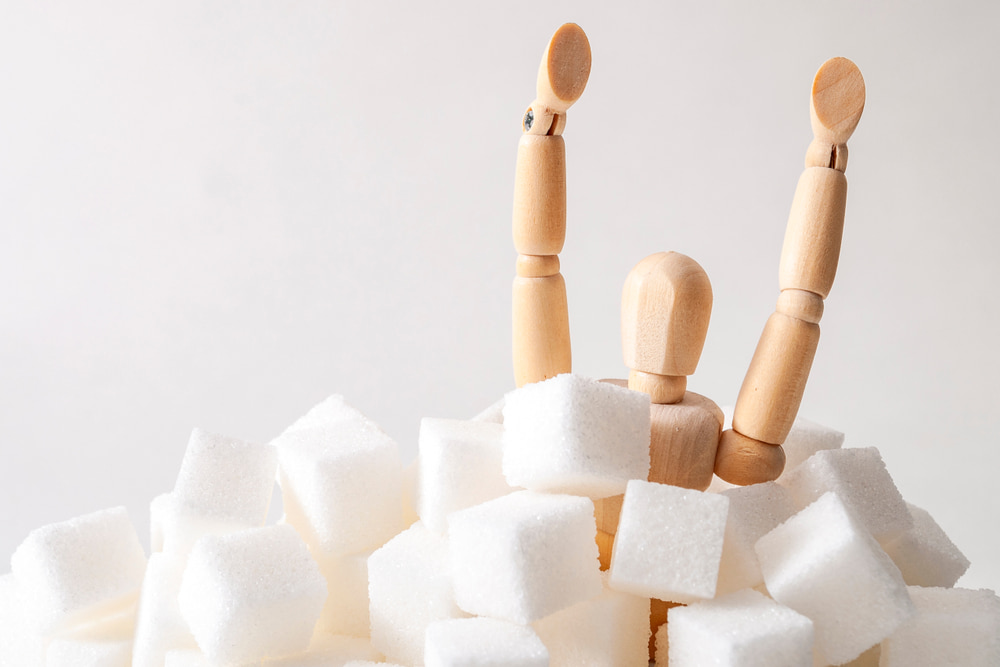
About 40 percent of young adults in the U.S. have insulin resistance. It is closely tied to prediabetes, type 2 diabetes, and metabolic syndrome. The right tools can help you manage it.
Insulin resistance often goes unnoticed. This guide explains how it works and covers the best supplements for insulin resistance, plus the food and lifestyle steps that matter most.
Decoding Insulin Resistance
Insulin resistance happens when your cells stop responding well to insulin. Insulin is the hormone that moves blood sugar into your cells for energy. When cells ignore that signal, sugar builds up in your blood. Your cells end up short on fuel, which can lead to fatigue and, over time, disease.
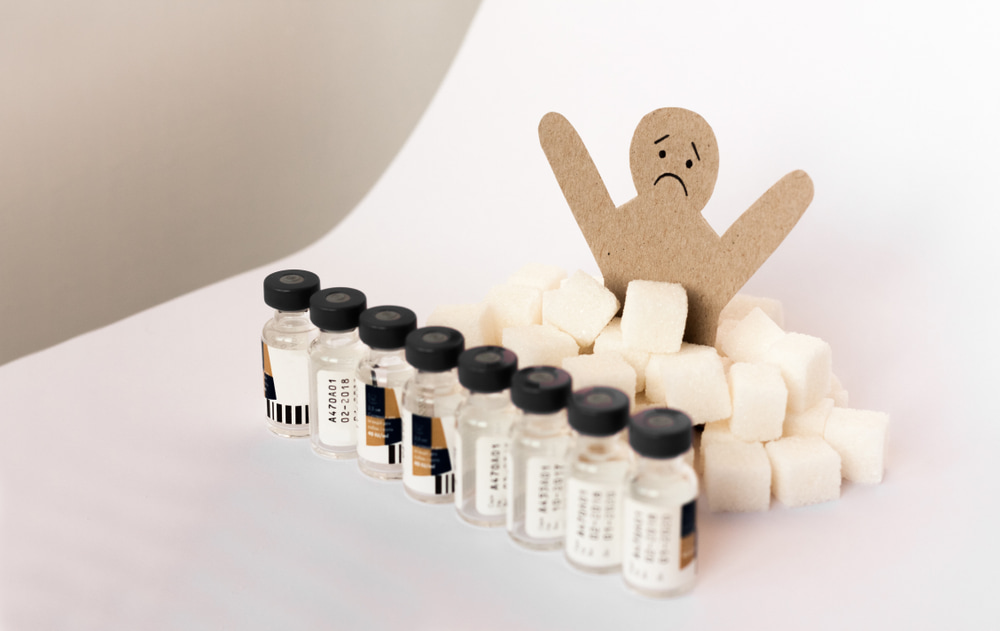
Insulin resistance can stay silent for years. Later, it can lead to type 2 diabetes, coronary artery disease, metabolic syndrome, and PCOS in women. Knowing the causes and risk factors helps you act early and protect your health.
Causes and Risk Factors
Insulin resistance usually has more than one cause. Lifestyle habits and genes both play big roles. Here is a closer look:
Lifestyle Habits
Poor diet, little physical activity, and smoking are common causes. A diet high in processed foods, sugary drinks, and saturated fat can lead to weight gain. It can also make it harder for your body to process insulin. Sitting for long periods and smoking raise the risk further.
Weight Status
Excess weight, especially fat around the abdomen (visceral fat), raises your risk a lot. This type of fat is metabolically active. It releases substances that interfere with insulin signaling and promote insulin resistance.
Genetic Predisposition
Family history plays a role, especially when type 2 diabetes runs in the family. Some genetic variations can affect how insulin works and how the body handles glucose. Still, genes do not decide the outcome. Your lifestyle choices matter too.
Stress
Chronic stress can change hormone levels and disrupt how your body responds to insulin. Stress hormones such as cortisol can interfere with insulin signaling and blood sugar control. Over time, this may lead to insulin resistance.
Age
Risk goes up with age. As we get older, our bodies may use insulin less well, so insulin sensitivity drops. This is one reason insulin resistance is more common in older adults.
Health Conditions
Some health conditions often appear alongside insulin resistance. These include hypertension (high blood pressure) and dyslipidemia (high cholesterol and triglycerides). They often cluster together as metabolic syndrome. This raises the risk of insulin resistance and heart problems.
You can take steps to prevent or manage insulin resistance. Eat a balanced diet rich in whole foods. Stay active. Manage stress. Keep a healthy weight. You can also talk with your doctor about the best supplements for insulin resistance . Together, these steps can lower your risk of insulin resistance and the problems linked to it.
Talk with a healthcare professional for personalized advice. They can tailor recommendations to your needs and medical history.
Supplements for Insulin Resistance
In this section, we review supplements that may support healthy blood sugar and insulin function.
1. Zinc
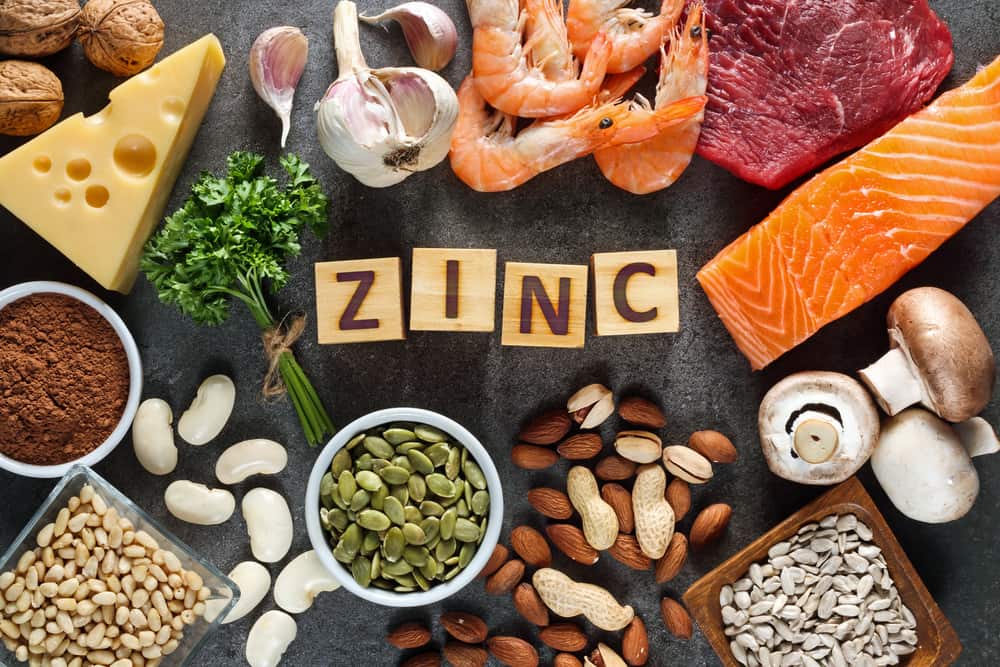
Zinc is an essential mineral. It supports cell growth, immune function, and carbohydrate metabolism. It also helps your body make, store, and release insulin.
Low zinc can disrupt these processes and may lead to insulin resistance. Research found that zinc supplements helped people with type 2 diabetes manage their blood sugar better. Similarly, research in the American Journal of Clinical Nutrition found that more dietary zinc was linked to a 13 percent lower risk of type 2 diabetes. So getting enough zinc from food or supplements may offer some protection.
2. Chromium
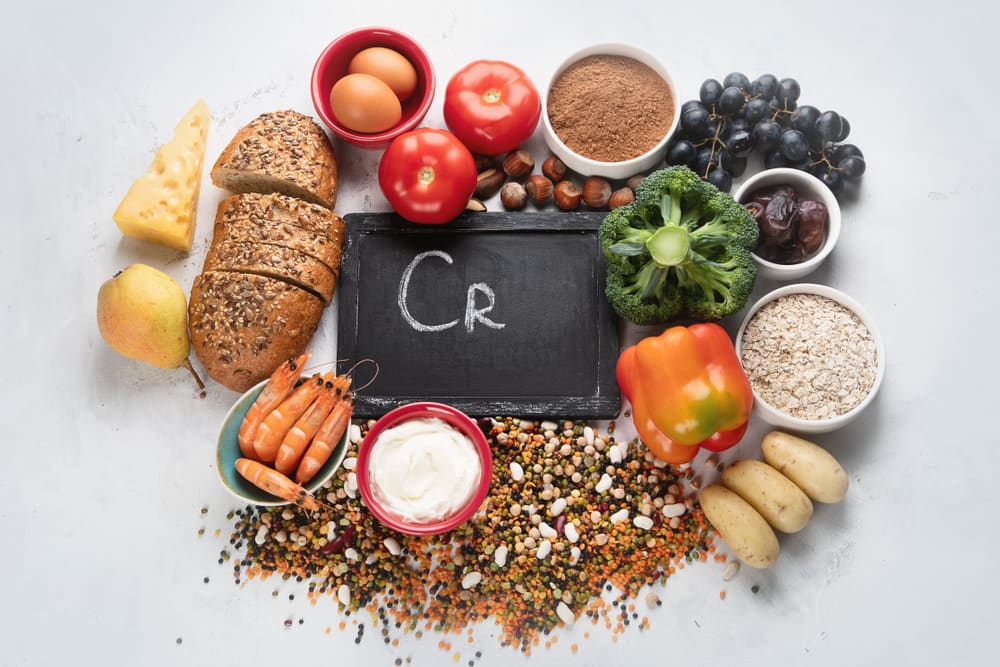
Chromium is an essential trace mineral that is often overlooked. It helps your body use carbohydrates, protein, and fat. It may support insulin action and help move glucose into your cells. Chromium has been studied for its possible role in managing insulin resistance and type 2 diabetes.
One study found that chromium supplementation may reduce blood glucose levels and improve insulin response in people with impaired glucose tolerance.
3. Magnesium
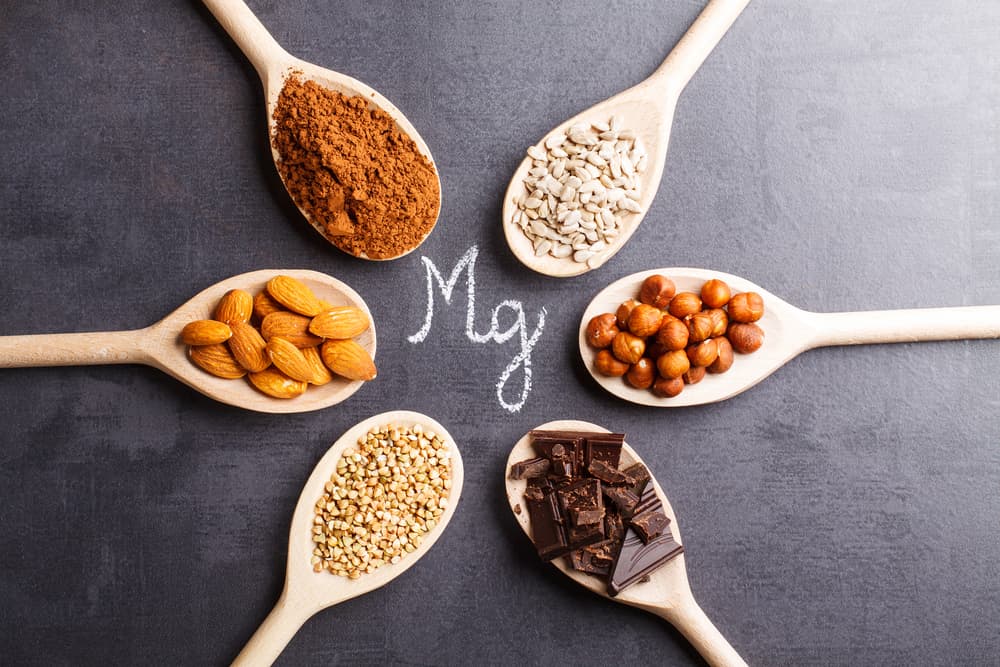
Magnesium is a key mineral. It takes part in more than 300 enzyme reactions in the body, including glucose use. Research shows it plays a significant role in insulin sensitivity.
Research suggests that eating foods that provide about 100 milligrams (mg) of magnesium may reduce the risk of diabetes by around 15 percent.
4. Vitamin E
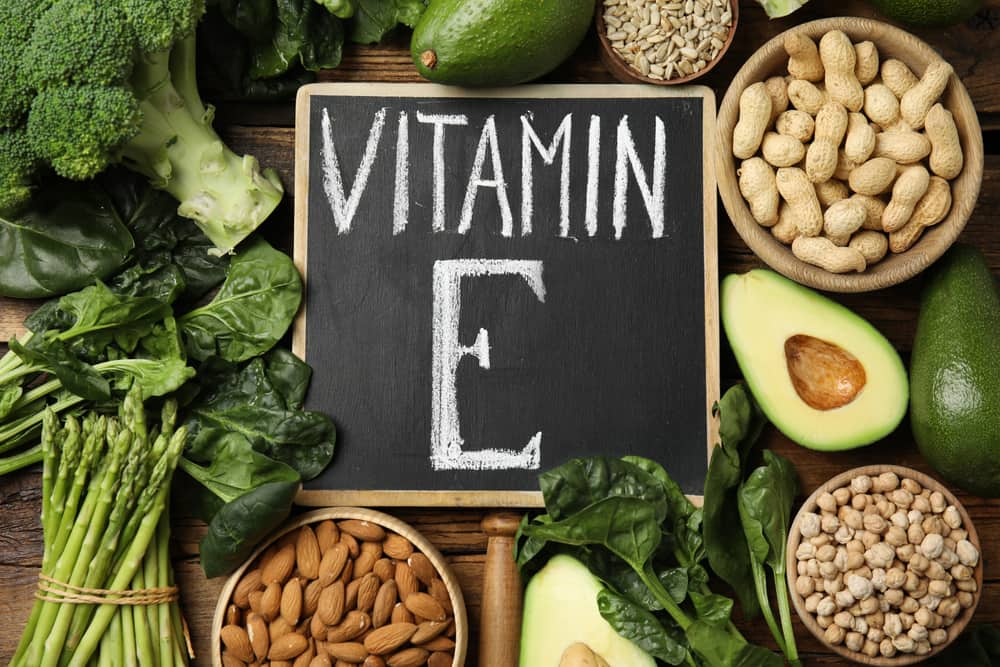
Vitamin E is a fat-soluble vitamin with strong antioxidant power. It helps protect cells from oxidative stress. This type of stress is often linked to insulin resistance and type 2 diabetes. It may disrupt insulin signaling and lead to insulin resistance. That is why antioxidants like vitamin E matter.
Research published in the 2023 Nutrition Journal found that Vitamin E supplementation could improve glycemic control in people with type 2 diabetes. So vitamin E may be a helpful way to support blood sugar control.
5. Vitamin D
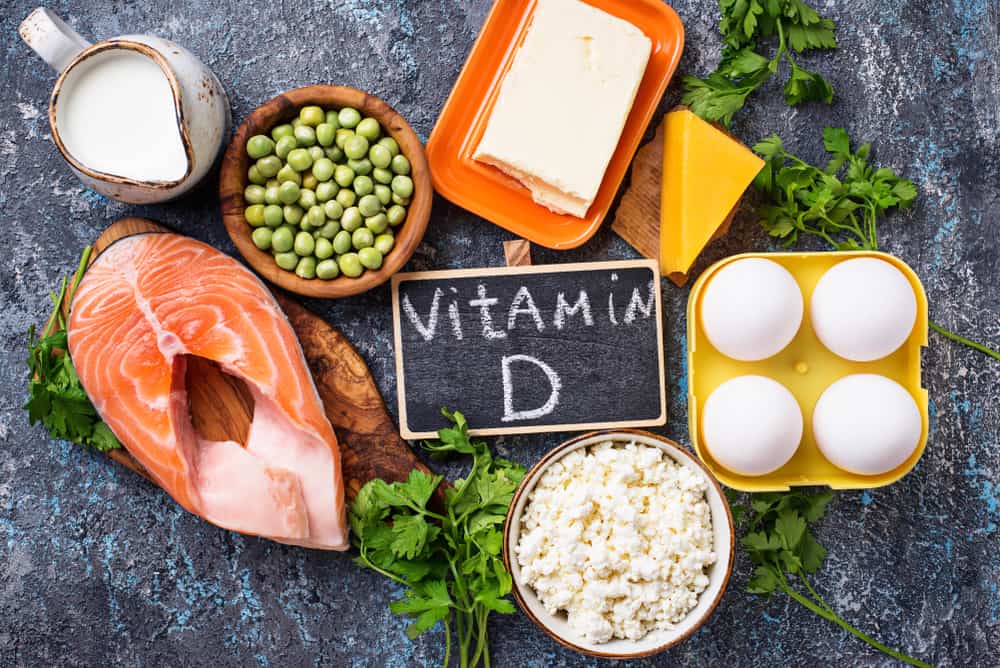
Vitamin D is best known for bone health. But emerging research links it to insulin function and glucose use. It is believed to improve insulin sensitivity and support insulin production. This makes it potentially helpful for people with insulin resistance.
One study found that vitamin D supplementation reduced insulin resistance in people with vitamin D deficiency. Nearly 25 percent of American adults have a vitamin D deficiency, so this matters for many people. More research is needed to understand vitamin D’s role and best use. Talk with a healthcare professional before you take vitamin D as part of a treatment plan.
6. Alpha-lipoic acid (ALA)
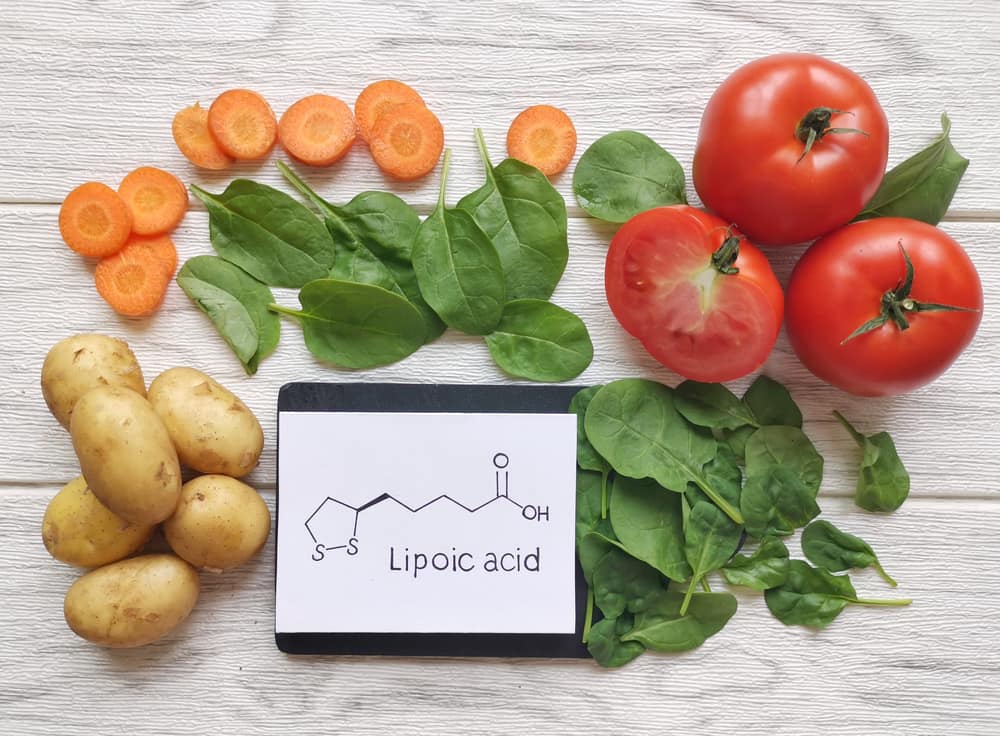
Alpha-lipoic acid (ALA) is a natural compound that works as a coenzyme and helps with glucose use. It has shown potential in managing insulin resistance. ALA dissolves in both water and fat. This lets it work in many parts of the body.
Studies, such as those published in the journal Nutrients, suggest that ALA supplementation may improve insulin sensitivity. This effect is believed to come from ALA’s antioxidant properties. They help counter oxidative stress, an important factor in insulin resistance.
These findings are promising, but more research is needed. We still need to learn ALA’s full effects and best use for insulin resistance. Talk with a healthcare professional before choosing the best supplements for insulin resistance.
7. Berberine
Berberine is a bioactive compound found in several plants. It has gained attention for its health benefits and its potential to improve insulin resistance. It has been studied widely for its effects on many parts of health.
A study in the journal Oxidative Medicine and Cellular Longevity found that berberine significantly reduced blood sugar levels and improved insulin sensitivity in people with type 2 diabetes.
Berberine may work in three ways. It may increase insulin sensitivity. It may improve glucose use in cells. It may also reduce glucose production in the liver.
A few practical points are worth knowing. Berberine may affect cholesterol and blood pressure, support weight loss, and impact liver health. There is also a recommended best time to take it.
Before you start, it also helps to know whether berberine is bad for your kidneys, how much you should take, and whether it can cause diarrhea.
It’s also worth knowing whether berberine can be taken before bed.
8. Resveratrol
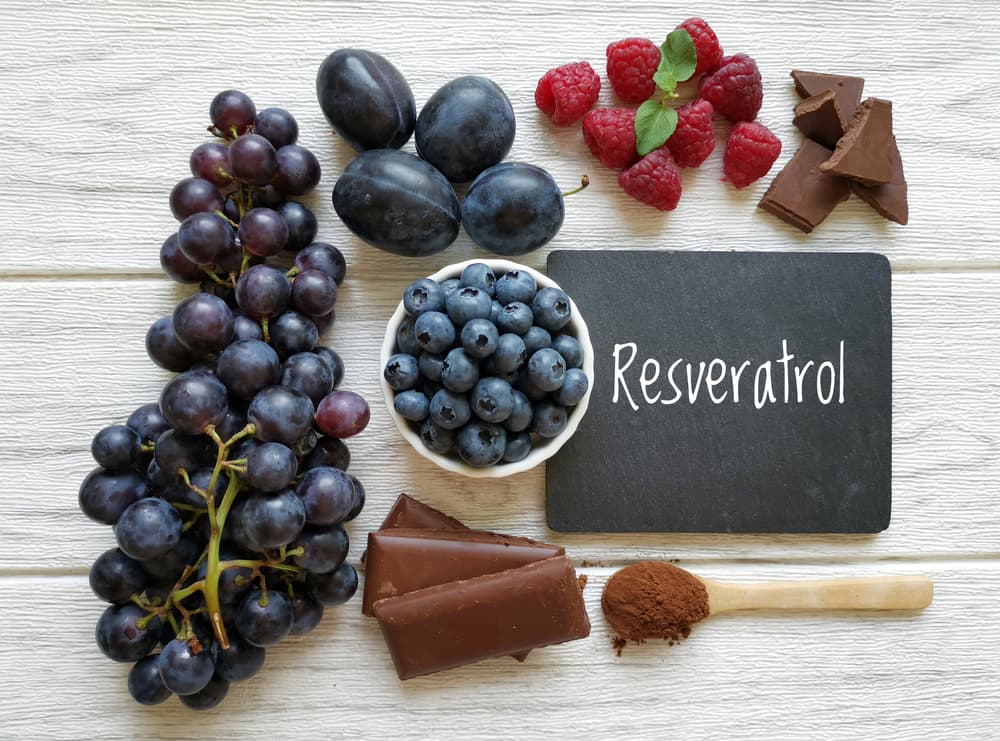
Resveratrol is a natural compound found in grapes, berries, and peanuts. It has gained attention for its possible benefits for heart health and insulin sensitivity.
A 2022 study found promising effects on several parts of health. Resveratrol was linked to better glucose metabolism, insulin tolerance, and insulin metabolism. It may help your cells sense and use nutrients better. It may also reduce the activity of an enzyme that triggers your liver to release extra sugar into the blood.
Resveratrol supplements may offer benefits as part of a healthy lifestyle. They should not replace established medical care. A nutritious diet, regular exercise, and medical guidance remain essential.
9. Curcumin
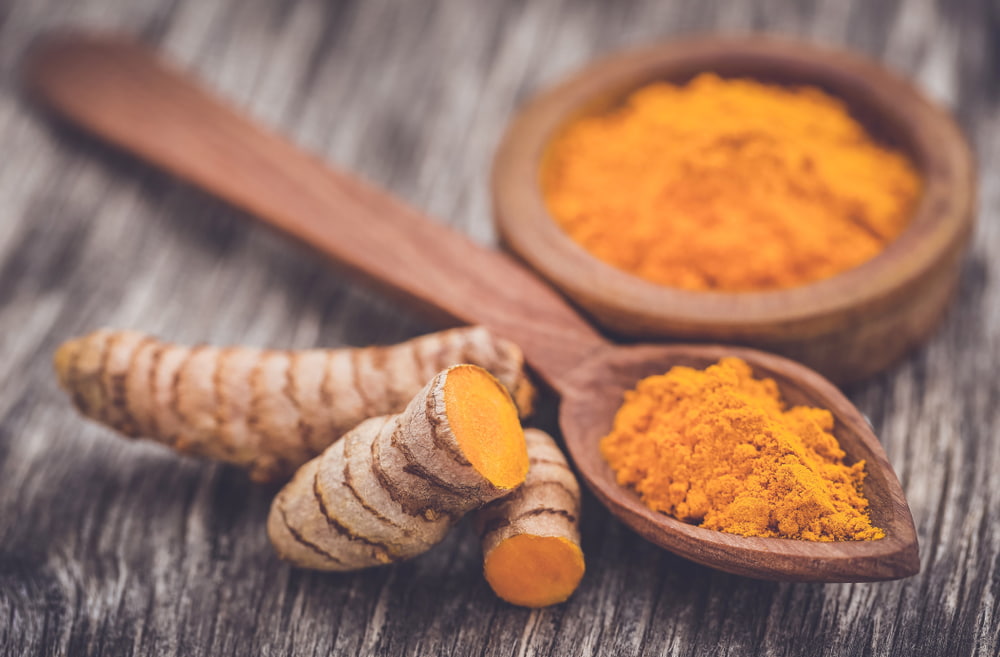
Curcumin is the active ingredient in turmeric. It has a long history in traditional medicine. Its strong anti-inflammatory and antioxidant effects can reduce inflammation and oxidative stress. Both are often linked to insulin resistance.
Research suggests that curcumin may improve glucose metabolism and even support weight loss. Both can help insulin sensitivity. Curcumin’s benefits may come from its role in reducing inflammation, a common factor in insulin resistance.
If you are curious about turmeric specifically, read about how long it takes to work, how long it stays in your system, how to store the root, what it does for your skin, how it differs from curcumin, and what turmeric tea is good for.
10. Inositol
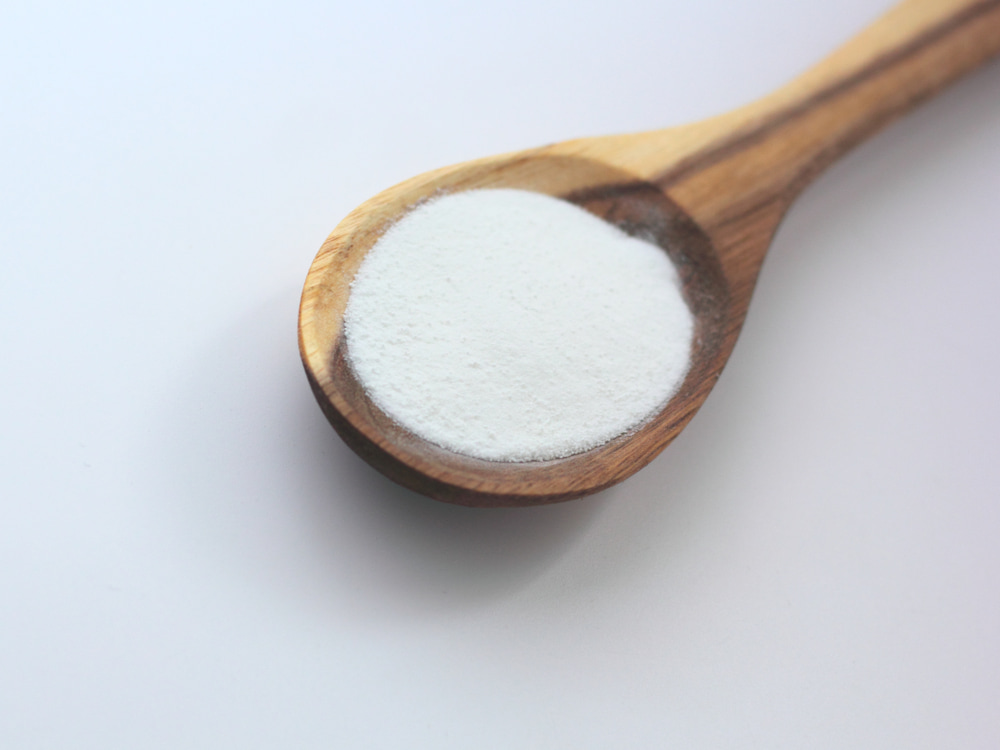
Inositol, also called vitamin B8, is a sugar alcohol. It helps cells respond to insulin. Normally, insulin helps cells absorb glucose for energy. In PCOS, cells become less responsive to insulin. Glucose is not absorbed well, so blood sugar runs high.
Studies suggest that inositol supplements may reduce insulin resistance in women with PCOS. They may also improve metabolic and hormone measures. These findings suggest inositol may help manage insulin resistance.
These results are promising, but more research is needed. We still need to learn inositol’s full effects and best use. Talk with a healthcare professional before taking inositol, especially if you have health conditions or take medicine.
Contemporary Approaches to Insulin Resistance
Managing insulin resistance usually combines lifestyle changes and medical care. The first line of defense is regular physical activity, a balanced diet, and weight loss.
Research shows that regular exercise boosts insulin sensitivity. Staying inactive can lead to insulin resistance and more serious problems like type 2 diabetes. Exercise makes your muscles use more glucose, which lowers blood glucose levels.

Diet matters just as much. A balanced diet rich in whole foods, lean protein, fiber, and low-glycemic carbs can help with weight management and insulin response. Health professionals also often advise cutting back on processed foods and added sugars, which are known contributors to insulin resistance.
Lifestyle changes are the foundation of care. Supplements known to support insulin sensitivity can complement them. Examples include zinc, chromium, magnesium, vitamin E, and vitamin D.
Boost Metabolic Energy with Gluco24
Your body needs a full plan to use its main fuel well for repair, renewal, and steady energy. That is why we offer Gluco24 by Nation Health MD. It is made to help improve blood sugar metabolism and support overall health.
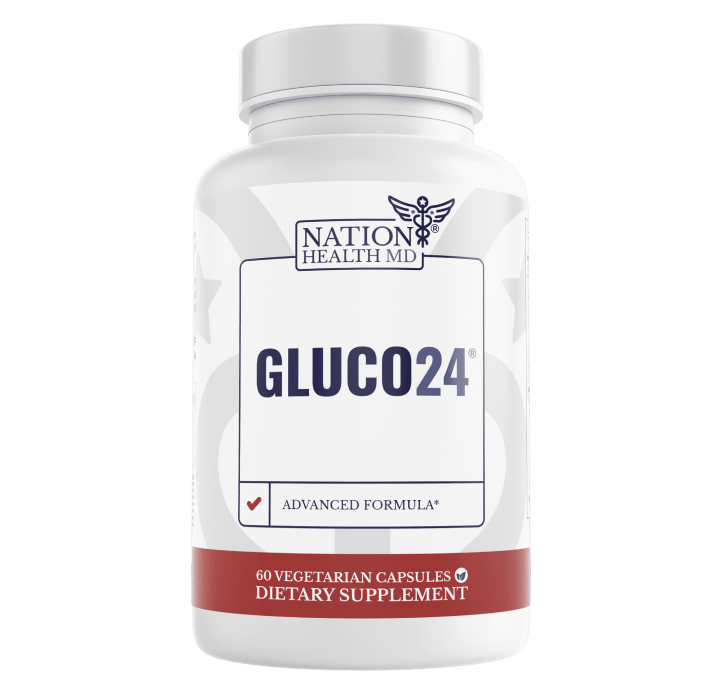
Lisa King, RPh. promotes the five key ingredients in Gluco24: zinc, chromium, magnesium, vitamin E, and vitamin D. Each is known for its potential to improve functional energy. Together, they focus on bioactive mechanisms that promote a healthier metabolic response.
Gluco24 goes beyond energy production. Its formula is packed with powerful antioxidants to combat oxidative stress, a common issue linked with impaired blood sugar function. Antioxidants help neutralize harmful free radicals, reducing inflammation and safeguarding the body’s cells.
Gluco24 is designed with your overall health in mind. It provides a balanced blend of essential nutrients that contribute to a sense of wellbeing and vitality, paving the way for a healthier future.
Final Thoughts
Healthy blood sugar takes both knowledge and steady action: lifestyle changes, better nutrition, and smart supplement use. With the right habits and support from products like Gluco24, you can improve how your body uses fuel for energy, lower your risk of complications, and support healthy aging. If you are looking at blood sugar targets for older adults, see what is normal blood sugar for seniors.
Frequently Asked Questions
What is insulin resistance, and why can it be a problem? Insulin resistance happens when cells do not respond well to insulin. Sugar can build up in the blood while cells get less fuel. Over time, this may raise the risk of type 2 diabetes, metabolic syndrome, heart disease, and PCOS.
Which lifestyle factors matter most? Regular exercise, a balanced diet, a healthy weight, stress care, and not smoking are the key steps. A diet of whole foods, lean protein, fiber, and low-glycemic carbs can help. Cutting back on processed foods, sugary drinks, and added sugar may lower risk.
Can supplements replace diet, exercise, or medical care? No. Supplements may help, but they should not replace healthy habits or medical guidance. This article reviews zinc, chromium, magnesium, vitamin E, vitamin D, ALA, berberine, resveratrol, curcumin, and inositol.
Which ingredients in Gluco24 are highlighted for blood sugar support? Gluco24 is described as using five key nutrients: zinc, chromium, magnesium, vitamin E, and vitamin D.
Who should be careful before taking supplements for insulin resistance? Anyone with health conditions, people who take medicine, and people with diabetes or PCOS should talk with a healthcare professional first. This matters most for berberine, inositol, vitamin D, and ALA. Dose, safety, and interactions can vary.
Popular Articles


Advertisement. This site offers health, wellness, fitness and nutritional information and is designed for educational purposes only. You should not rely on this information as a substitute for, nor does it replace, professional medical advice, diagnosis, or treatment. If you have any concerns or questions about your health, you should always consult with a physician or other health-care professional. Do not disregard, avoid or delay obtaining medical or health related advice from your health-care professional because of something you may have read on this site. The use of any information provided on this site is solely at your own risk.
Share: