
Will a Colonoscopy Show Liver Damage?
 Medically reviewed by our experts
 7 min read
  5 citations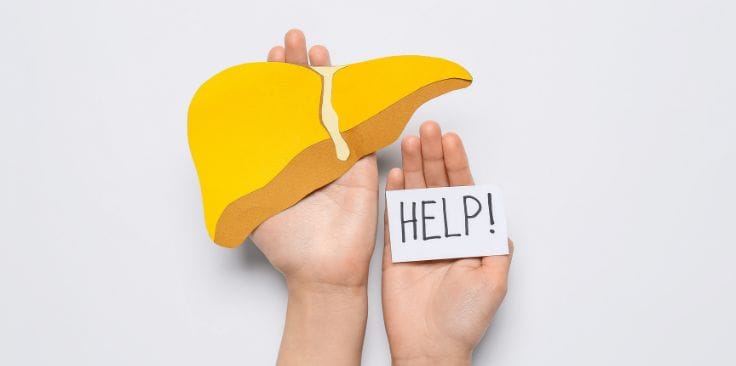
Will a colonoscopy show liver damage? No, a colonoscopy examines only the colon and rectum, and the liver sits well outside where the scope can reach. Liver damage shows up on a blood panel, imaging, or sometimes a biopsy, not on a colon exam.
Because both are related to abdominal health, it’s easy to assume one screening covers the other. This article walks through what a colonoscopy is actually built to find, the rare indirect clues it can reveal, and the tests that accurately check your liver.
Key Article Findings
- A colonoscopy examines the colon and rectum only, it isn’t built to view or assess the liver.
- Occasionally a colonoscopy reveals an indirect clue, like enlarged blood vessels or fluid buildup, but that alone doesn’t confirm liver damage.
- A liver panel blood test, imaging (ultrasound, CT, MRI, FibroScan), and sometimes a biopsy are the accurate ways to check for liver damage.
Can a Colonoscopy Detect Liver Damage?
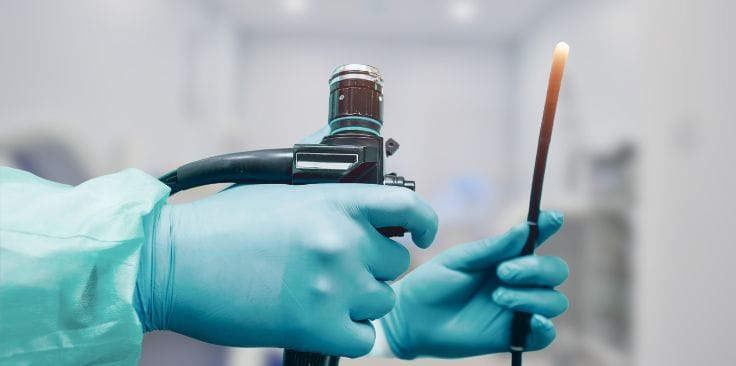
Will a colonoscopy show liver damage the same way it examines the colon? No. A colonoscopy uses a thin, flexible tube with a camera to examine the lining of the colon and rectum. The liver sits in the upper right side of the abdomen, entirely outside the area the scope reaches.
That’s why a clear colonoscopy result says nothing about liver health one way or the other. The two organs are checked with completely different tools, for different reasons.
What a Colonoscopy Is Actually Designed to Find
- Polyps, small growths on the colon lining that can sometimes turn into malignant cell growth over time.
- Inflammation, bleeding sources, and diverticulitis, small pouches that form in the colon wall.
- Early signs of malignant cell growth in the colon, caught during routine screening exams.
Signs of Liver Trouble a Colonoscopy May Reveal
A colonoscopy can occasionally reveal an indirect clue tied to liver trouble, even though it isn’t designed to check the liver directly. Enlarged blood vessels near the rectum, a sign of portal hypertension, elevated pressure in the blood vessels leading to the liver, sometimes show up during the exam.
Fluid buildup near the colon can be another incidental finding. Neither of these findings confirms liver damage on its own, they simply flag that dedicated liver testing is worth pursuing.
How to Check for Liver Damage the Right Way
How do you actually check for liver damage? The real path starts with a liver panel blood test, moves to imaging if results look off, and reserves a biopsy for select cases. That sequence is the most reliable one, and each step is worth understanding on its own.
The Liver Panel Blood Test
A liver panel measures enzymes and proteins that reflect how the liver is functioning. ALT and AST rise when liver cells are under stress, with typical ranges of roughly 7 to 55 U/L for ALT and 8 to 48 U/L for AST. Understanding what elevated liver enzymes actually mean helps put a single abnormal result in context. Bilirubin and albumin levels round out the picture, showing how well the liver clears waste and produces protein.
Imaging and FibroScan
Ultrasound, CT, and MRI scans reveal structural changes like fatty buildup, scarring, or an enlarged liver. FibroScan, a newer non-invasive option, uses sound waves to measure liver stiffness and estimate scarring without a needle. It’s a detail many colonoscopy-focused guides skip entirely, even though it’s become a standard part of checking for liver damage.
Does a Colonoscopy Check the Liver Through the Digestive System?
Does a colonoscopy check the liver indirectly, since both organs play a role in digestion? Not meaningfully. The liver produces bile, which travels through the bile ducts and gallbladder before reaching the small intestine, well upstream of where a colonoscopy looks.
A clear colonoscopy reflects a healthy colon, not a healthy liver, so it shouldn’t be read as reassurance about liver function.
Colonoscopy vs. Liver Tests: How They Compare
Colonoscopy and liver tests are built for entirely different purposes, which becomes clear side by side.
| What It Examines | Colonoscopy | Liver Panel + Imaging |
| Primary target | Colon and rectum lining | Liver tissue and function |
| Can detect | Polyps, inflammation, bleeding sources | Enzyme levels, scarring, structural changes |
| Can’t detect | Liver damage directly | Colon-specific issues |
| Method | Scope inserted through the rectum | Blood draw plus imaging (ultrasound, CT, MRI, FibroScan) |
When to Get Screened for Liver Damage
Certain risk factors call for liver-specific screening regardless of colonoscopy results: heavy alcohol use, carrying excess weight, a family history of liver conditions, and exposure to certain prescriptions or toxins over time.
Symptoms worth a closer look include fatigue linked to a fatty liver, discomfort in the upper right abdomen, and skin changes tied to liver damage, including yellowing of the skin or eyes. None of these guarantee a problem, but they’re reasons to ask about liver-specific testing rather than assume a colonoscopy has it covered.
Fatigue is one of the more commonly reported symptoms tied to liver trouble, though it’s worth ruling out simpler explanations first. For instance, if you regularly reach for energy drinks and still feel drained, it might be worth looking into why energy drinks can make you feel sleepy rather than assuming it’s liver-related.
Supporting Your Liver Day to Day
Alongside proper testing, daily habits make a real difference for liver health. Moderating alcohol intake, staying well-hydrated, and following a diet plan built for liver support all ease the liver’s everyday workload.
Small daily choices add up here too. If you’ve ever wondered whether glycerin is bad for your liver, or whether that occasional non-alcoholic beer is actually liver-friendly, it’s worth knowing the research behind common pantry staples before assuming they’re automatically ‘safe’ alternatives.
Regular movement supports healthy circulation throughout the body, including to the liver. None of these habits replace screening, but they build a stronger baseline between checkups.
The same goes for condiments and caffeinated drinks — questions like whether mayonnaise is good or bad for your liver and whether energy drinks are hard on your liver come up more often than you’d think.
How Supplements Can Support Your Liver Health
Lifestyle habits are the foundation, but many people look for extra daily support alongside them. That’s where a well-formulated supplement collection can round things out, including milk thistle’s role in liver support.
Liver Health Supplements
Our Liver Health Supplements collection is formulated with traditional botanicals to help support healthy liver function and the body’s natural detoxification pathways.
- Traditional Liver Support: Milk thistle and artichoke extract are traditionally used to help support healthy liver function and everyday detoxification.
- Antioxidant Support: Turmeric rounds out the formula, chosen for its traditional use in supporting the body’s response to everyday oxidative stress.
- Pure & Clean: Formulated without unnecessary fillers, so you’re supporting your liver without adding to its workload.

The Bottom Line on Colonoscopy and Liver Damage
So, will a colonoscopy show liver damage? No, it’s built to examine the colon and rectum, and any liver-related clue it reveals is incidental at best. A liver panel, imaging, and FibroScan remain the accurate way to check liver health, and they’re worth pursuing on their own timeline rather than waiting on colonoscopy results.
If you have risk factors or symptoms, ask your physician about liver-specific testing, and keep supporting your liver with steady daily habits in the meantime.
A colonoscopy examines only the colon and rectum. It cannot examine the liver, stomach, small intestine, or other abdominal organs, since the scope only travels through the lower digestive tract.
Blood work is the starting point, but it’s not always the full picture. A liver panel can flag abnormal enzyme or protein levels, while imaging may be needed to confirm the extent of any damage.
Early signs can be subtle or absent entirely. When they do appear, ongoing fatigue, mild discomfort in the upper right abdomen, and unexplained changes in appetite are among the more common ones worth mentioning to a physician.
FibroScan is non-invasive and quicker, making it a common first step for assessing liver stiffness. A liver biopsy provides more detailed tissue information and may still be used when FibroScan results are unclear.
Occasionally. A fatty liver can sometimes cause visible changes near the colon during a colonoscopy, but imaging remains the standard way to confirm and measure fatty liver changes.
Mayo Clinic. (2026, February 6). Colonoscopy.
Mayo Clinic. (2025, January 18). Liver function tests.
Cleveland Clinic. (n.d.). FibroScan: What to know.
Merck Manual Professional Version. (n.d.). Portal hypertension.
Cleveland Clinic. (n.d.). Liver biopsy.
Popular Articles



Advertisement. This site offers health, wellness, fitness and nutritional information and is designed for educational purposes only. You should not rely on this information as a substitute for, nor does it replace, professional medical advice, diagnosis, or treatment. If you have any concerns or questions about your health, you should always consult with a physician or other health-care professional. Do not disregard, avoid or delay obtaining medical or health related advice from your health-care professional because of something you may have read on this site. The use of any information provided on this site is solely at your own risk.
Share: